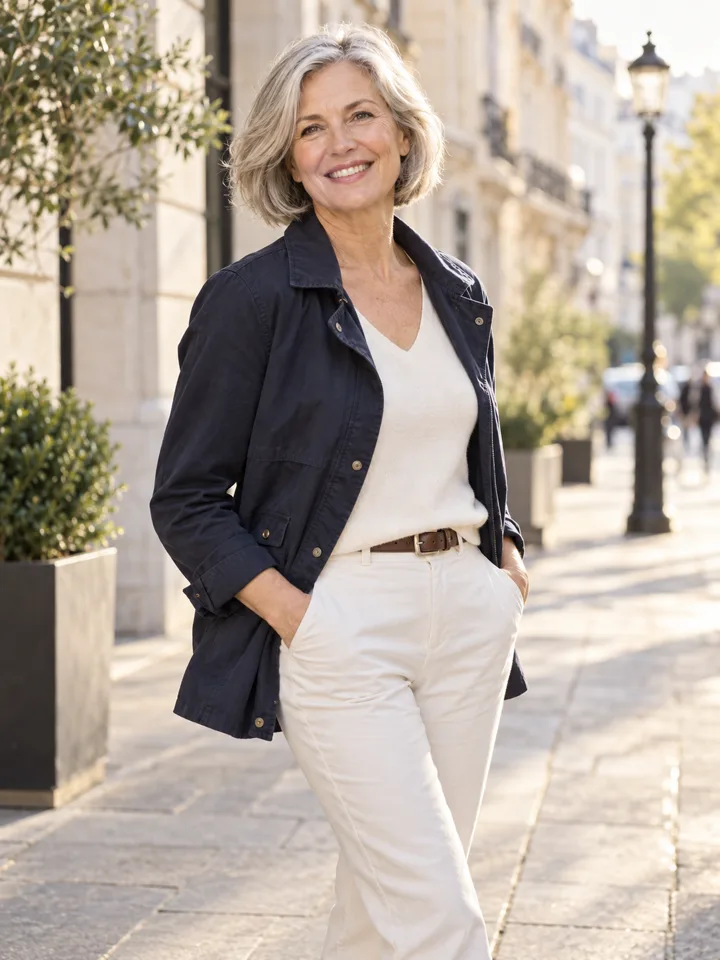
A better photo starts here
Light, framing and a few small checks before you upload.
Read the guide LookScene中文Log in
THE LOOKSCENE JOURNAL
Photo preparation, thoughtful comparisons and practical style briefs. Make your next image a more considered one.
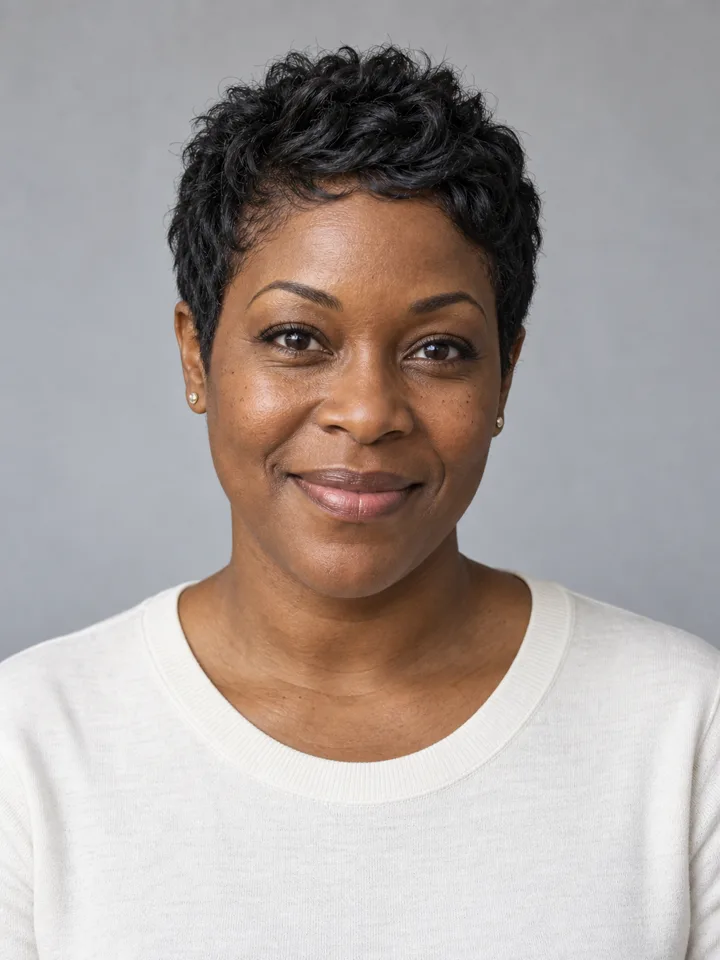
START HERE · EDITOR'S PICK
A calmer way to compare a bob, a fringe and a little more length.
Read the guide47 guides found
Light, framing and a few small checks before you upload.
Read the guide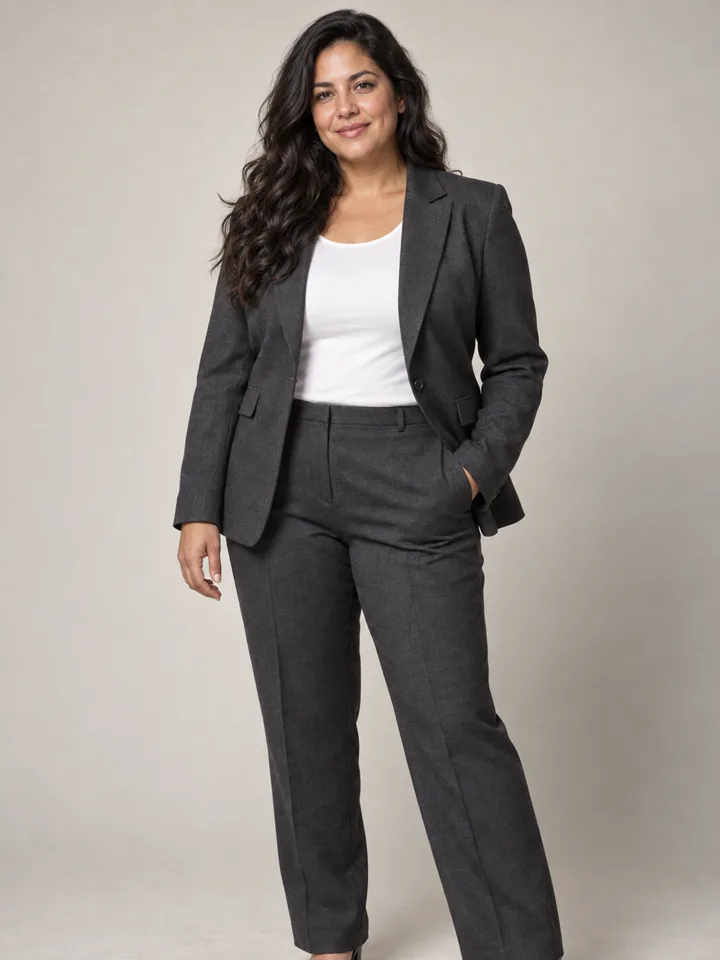
Explore a new direction without rebuilding your wardrobe.
Read the guide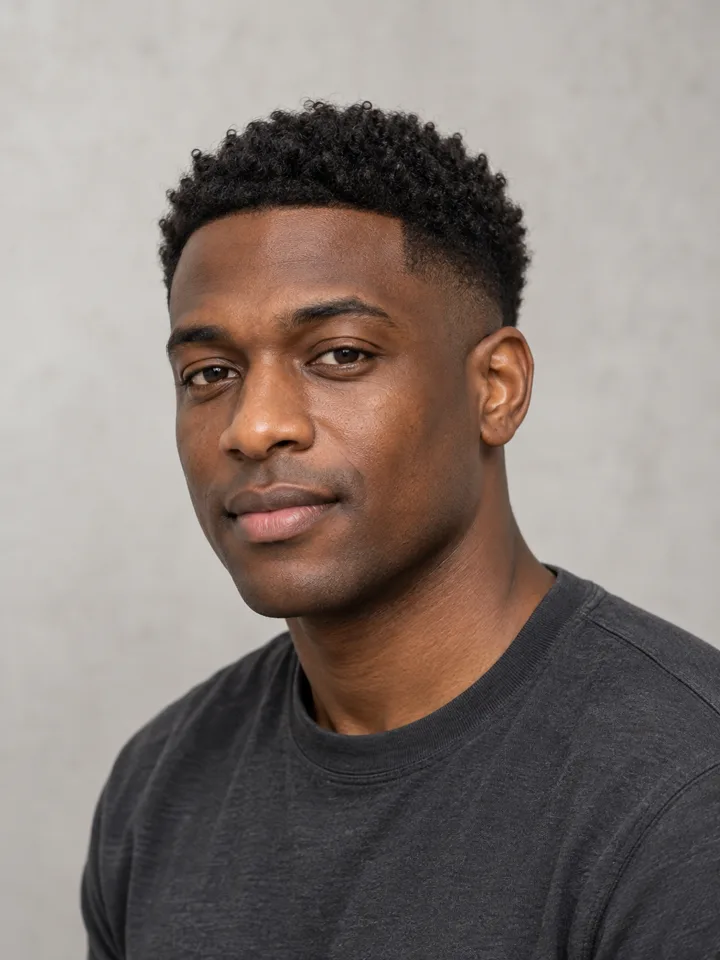
Keep your face and hairline fixed while comparing length, temple height and fringe in a short haircut preview.
Read the guide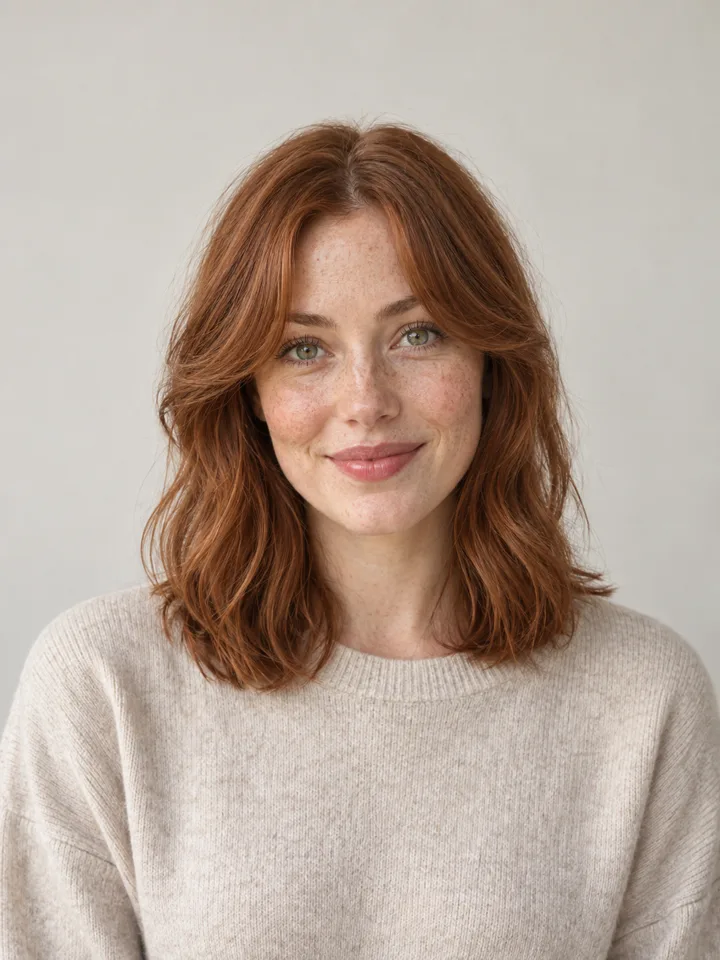
A side-by-side decision guide for length, forehead framing, glasses and everyday maintenance.
Read the guide
Take a clear CV or profile photo at home with a practical checklist for lighting, camera height, clothing, cropping and identity review.
Read the guide
Prepare a recognizable profile portrait and review identity, light and crop before using an AI-generated headshot.
Read the guide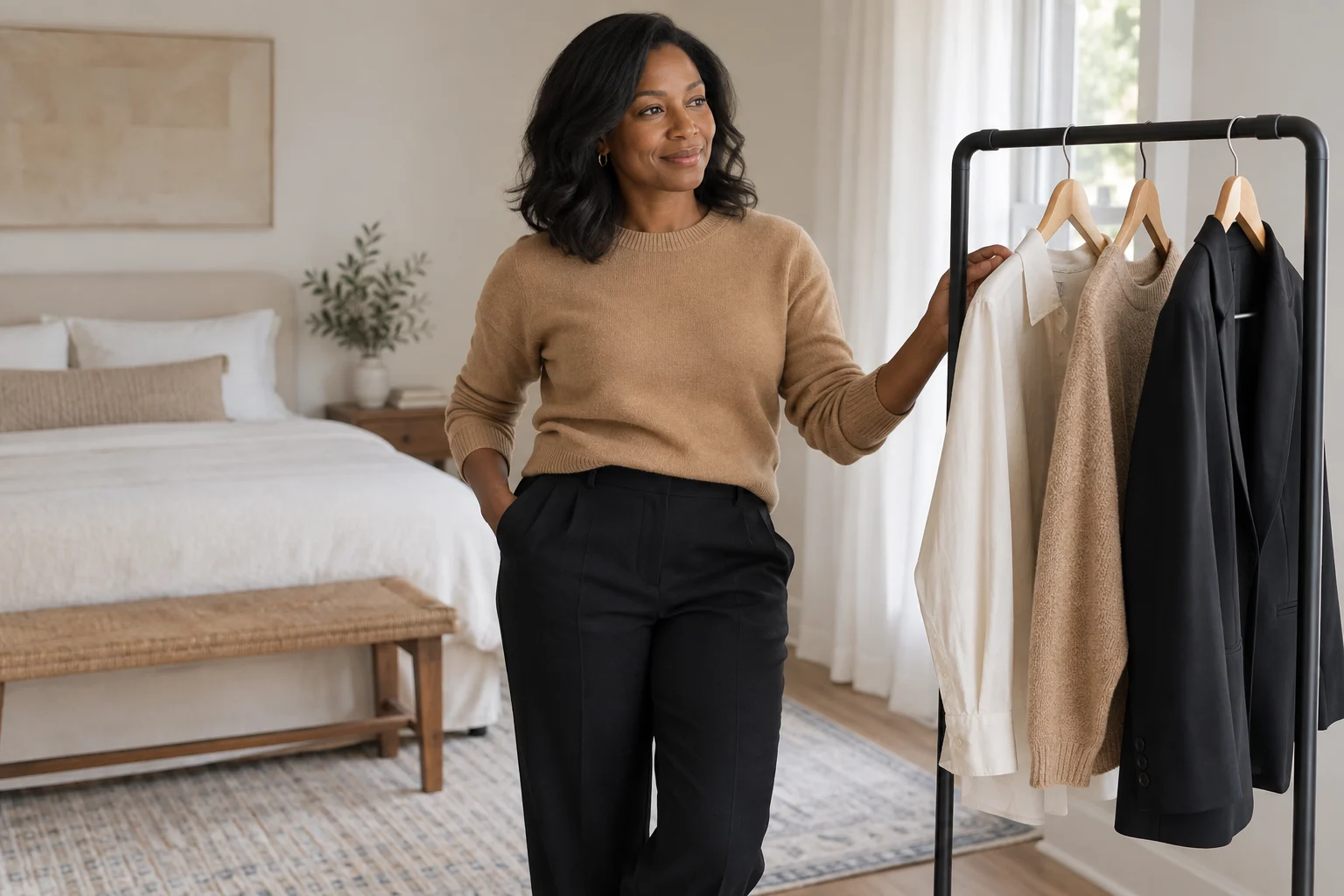
Build three clear outfit briefs from one photo: everyday knit, relaxed linen and city tailoring.
Read the guide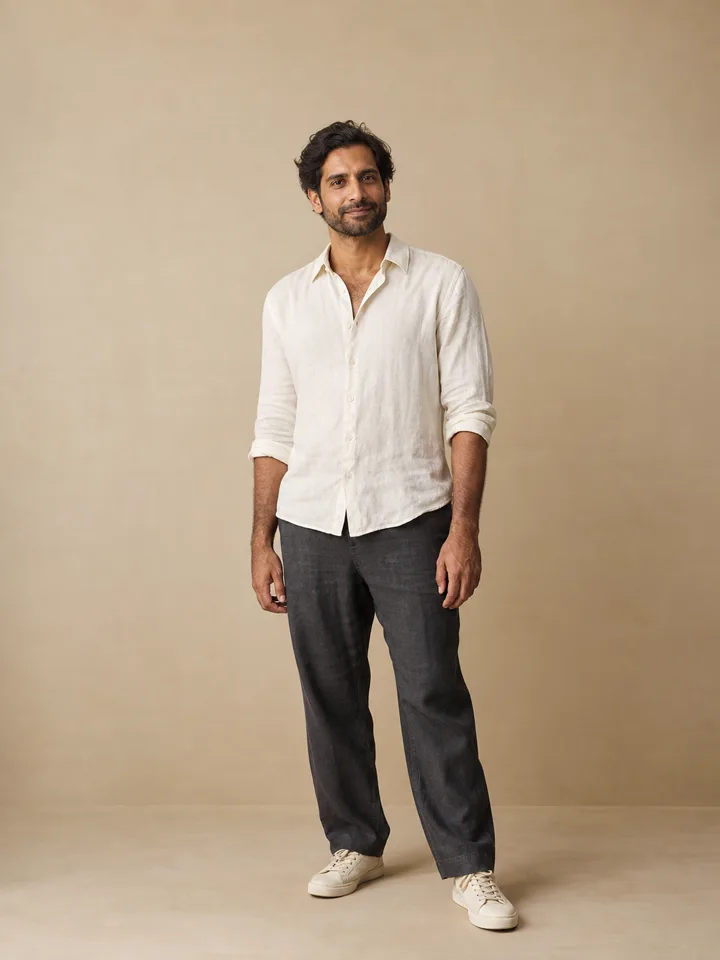
Compare a relaxed blazer and linen shirt while keeping body proportions stable; use the result for ideas, not sizing.
Read the guide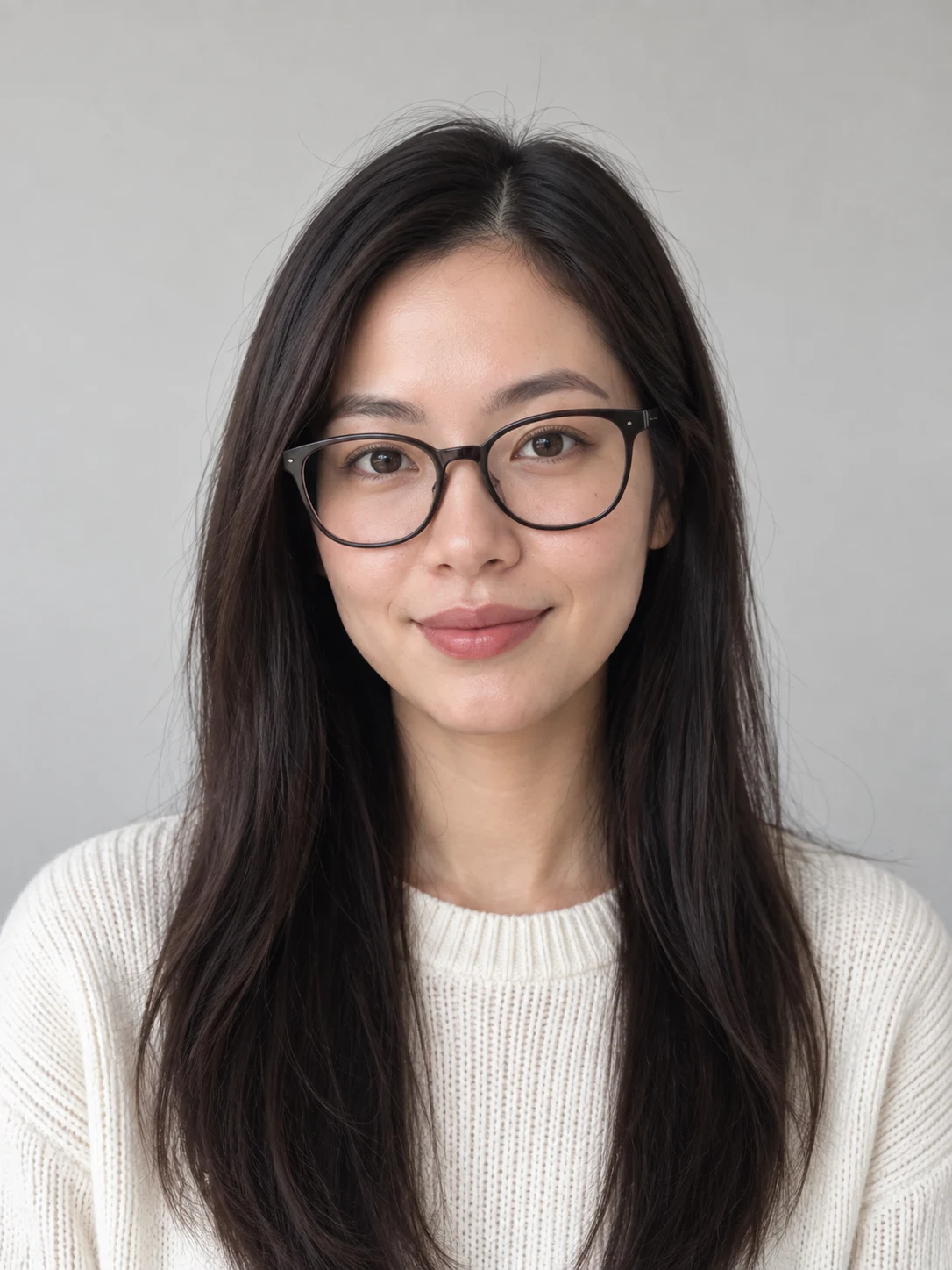
Review identity, hair edges, glasses, hands, fabric and lighting before choosing an AI-edited portrait.
Read the guide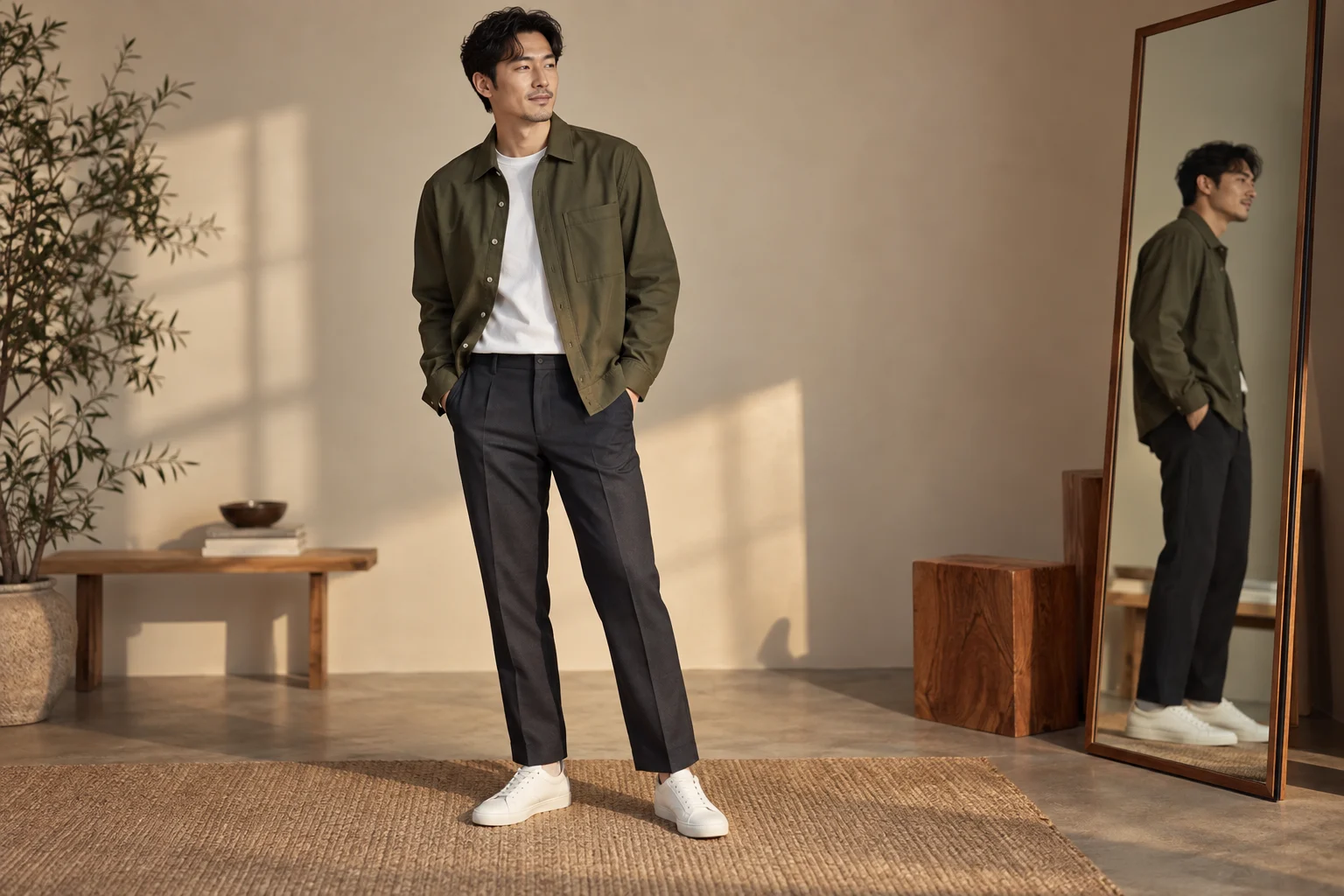
Separate a style exploration from an exact garment visualization, a fit prediction and a shopping recommendation.
Read the guide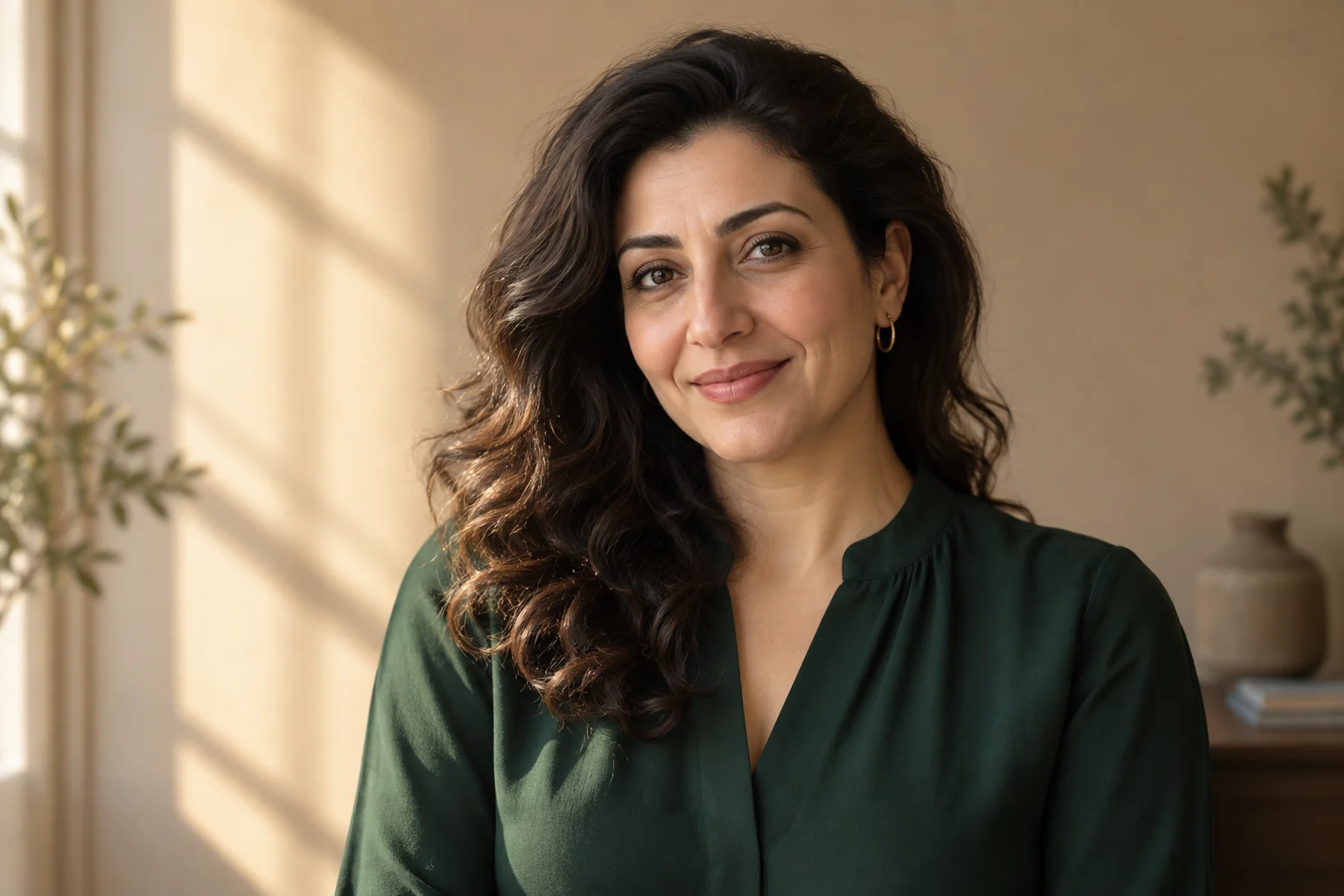
Compare studio, garden and city settings using light direction, crop and visual distractions.
Read the guide
Use your everyday glasses as a stable reference when comparing hair length, fringe and side volume.
Read the guide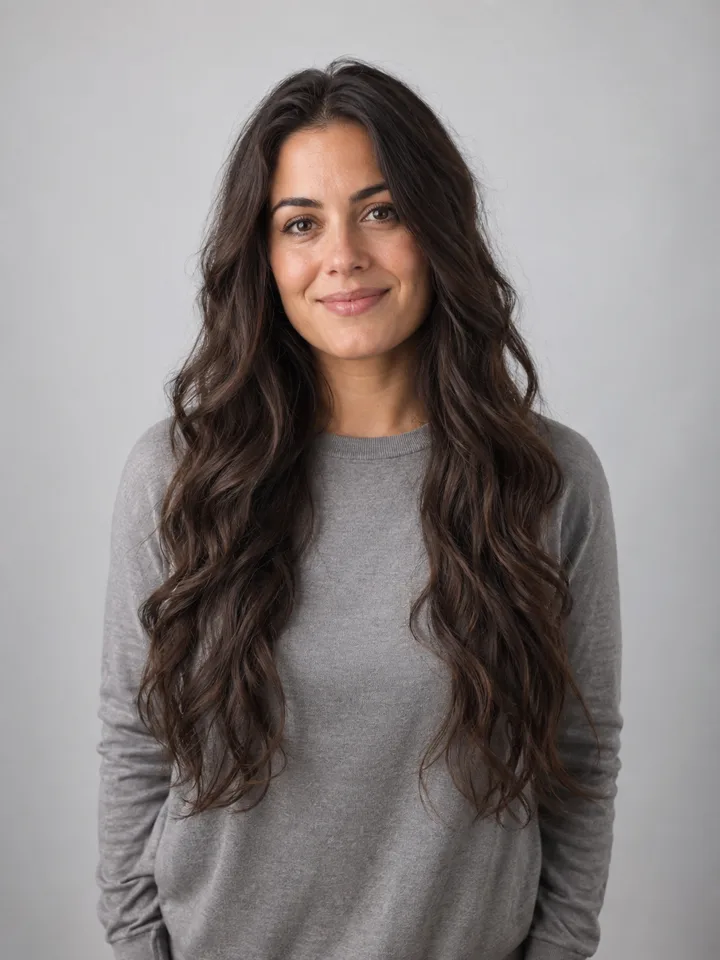
A reusable structure for hairstyle, outfit and scene briefs, with examples and a practical retry workflow.
Read the guide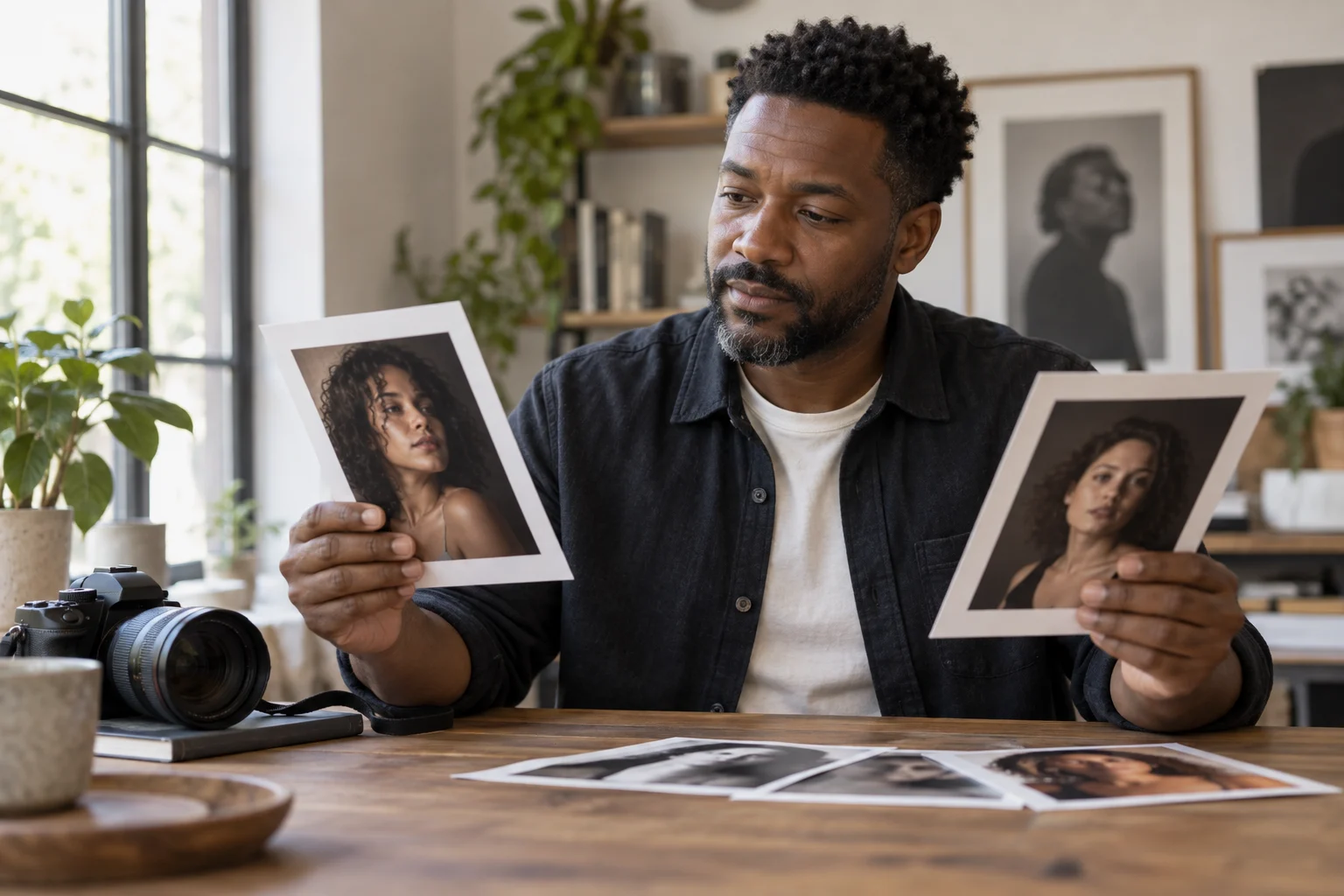
What a reserved credit means, how partial delivery works, and what to do when a photo request needs review.
Read the guide
A practical walkthrough of private originals, result downloads, account access and photo expiry.
Read the guide
Check whether an outfit looks complete by reviewing the occasion, color balance, clothing edges, proportions and one deliberate finishing detail.
Read the guide
A landmark-by-landmark check for identity drift before you judge the haircut.
Read the guide
Choose a credible work look, then test the neckline, crop and background contrast.
Read the guide
Compare visual shape, hair texture, growth patterns and daily maintenance before you cut.
Read the guide
Prepare a current photo, credible outfit and flexible crops that organizers can actually use.
Read the guide
Turn references and one careful preview into a clearer, more realistic salon consultation.
Read the guide
Choose the simplest headshot method that matches the stakes, control and likeness your use case requires.
Read the guide
Keep a roomy master, protect the face inside a circular safe area and test every crop at thumbnail size.
Read the guide
Plan separately for the cap-and-gown crop and full-body portraits, then test only the clothing details the camera will see.
Read the guide
Start from the page layout, then plan a small honest set of portraits and context images with a job for every frame.
Read the guide
Keep the frames that look like you, then control glare with light and angle before you touch retouching.
Read the guide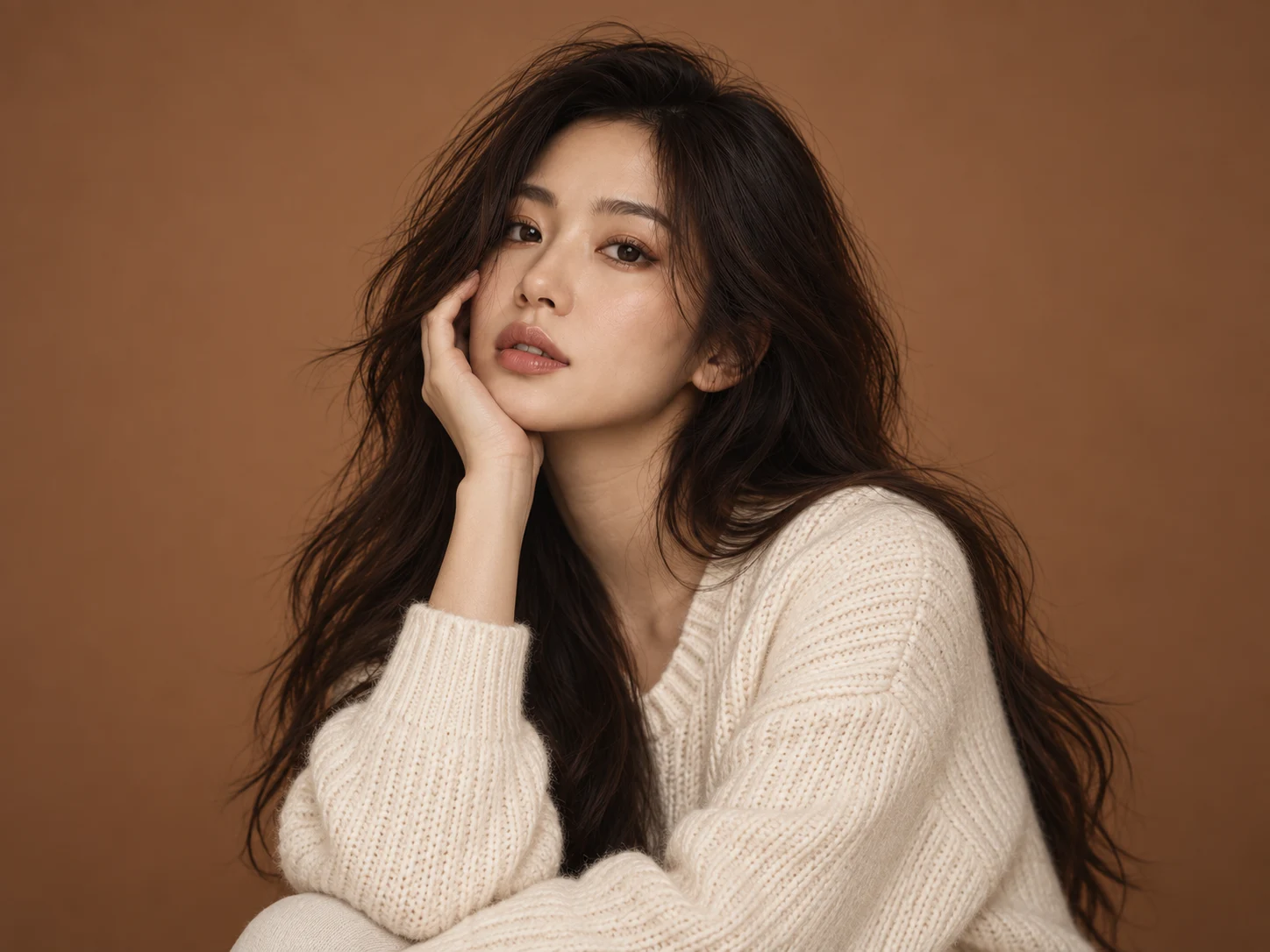
Hold garment shape, pose, body, face and background steady, then compare two or three colors near the face and reject any reshaping.
Read the guide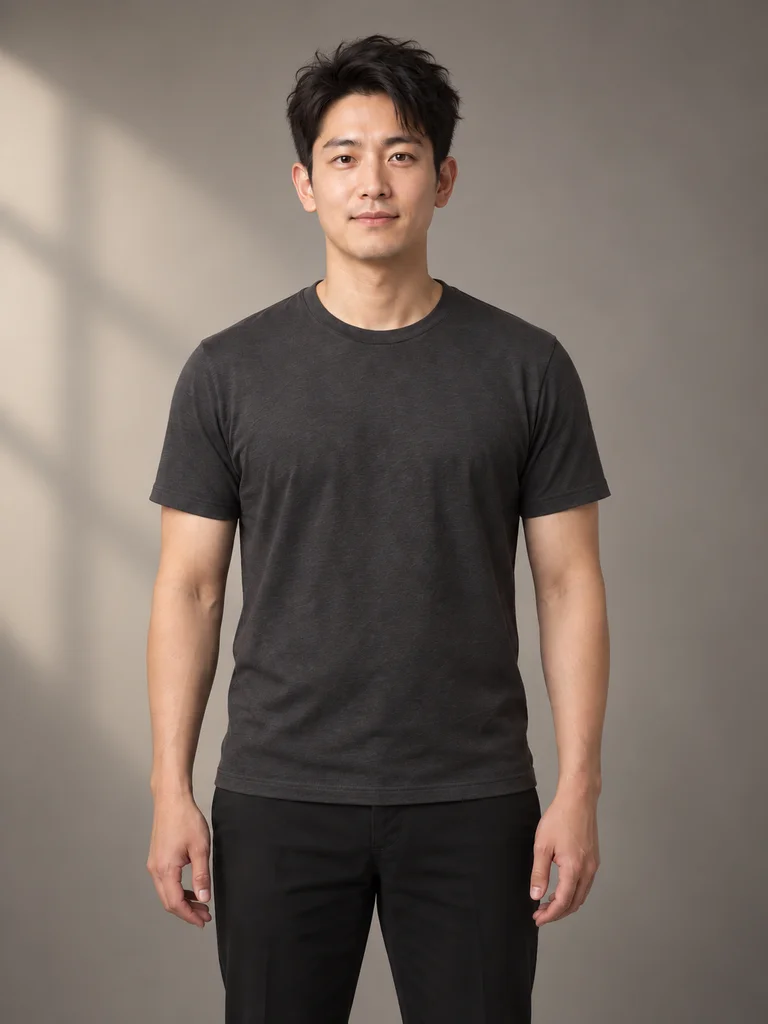
Define crop, background, light, wardrobe, file and approval rules before collecting photos. Use one shared specification for consistent remote team headshots.
Read the guide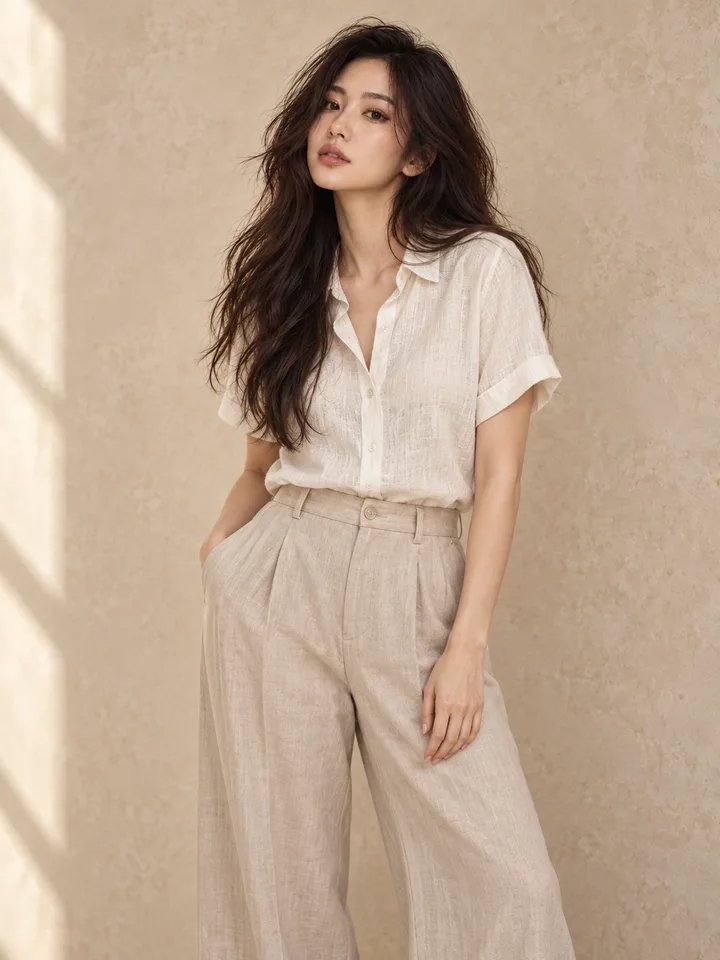
Build a varied but truthful profile set by changing one outfit or background at a time and rejecting false places, repeated looks and identity drift.
Read the guide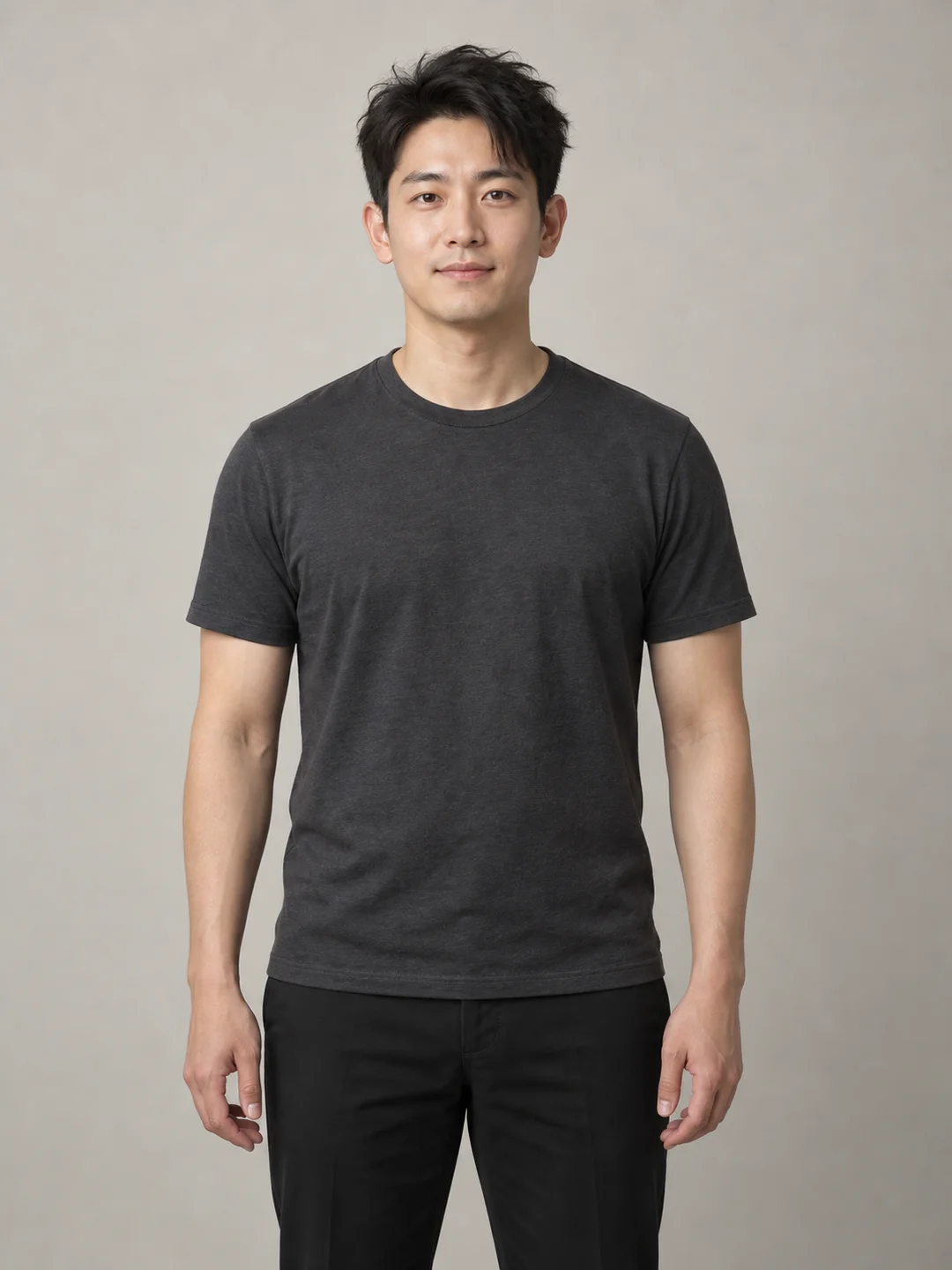
Prepare one current, recognizable author portrait with room for book-jacket, author-page, press-kit and social crops without costume-like branding.
Read the guide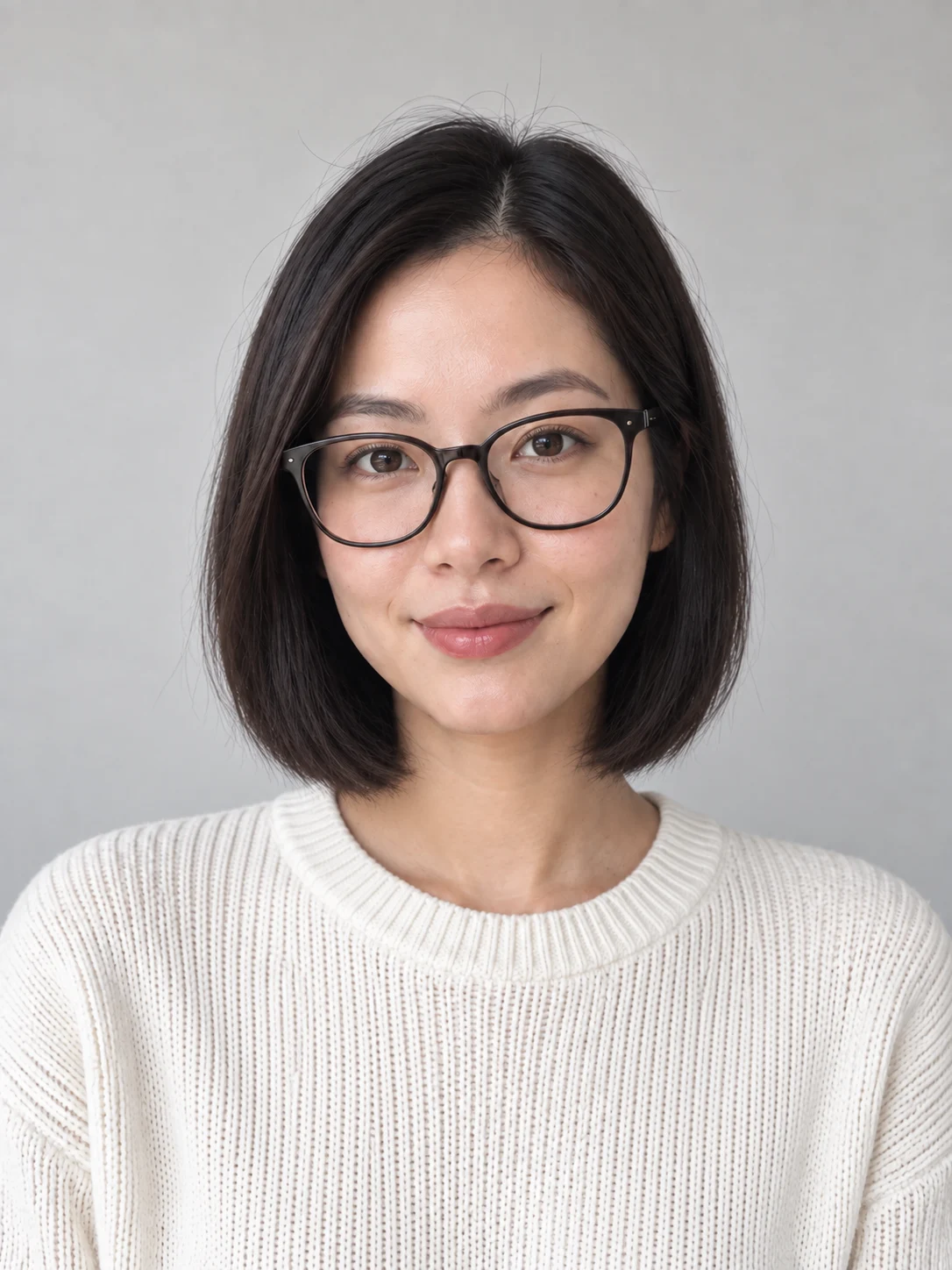
Compare color direction under a neutral-light baseline and reject edits that also change skin tone, face, shadows or the starting hair color.
Read the guide
Compare a short, medium, and longer outline on one source photo while holding texture, color, and lighting steady, then turn the result into a salon brief.
Read the guide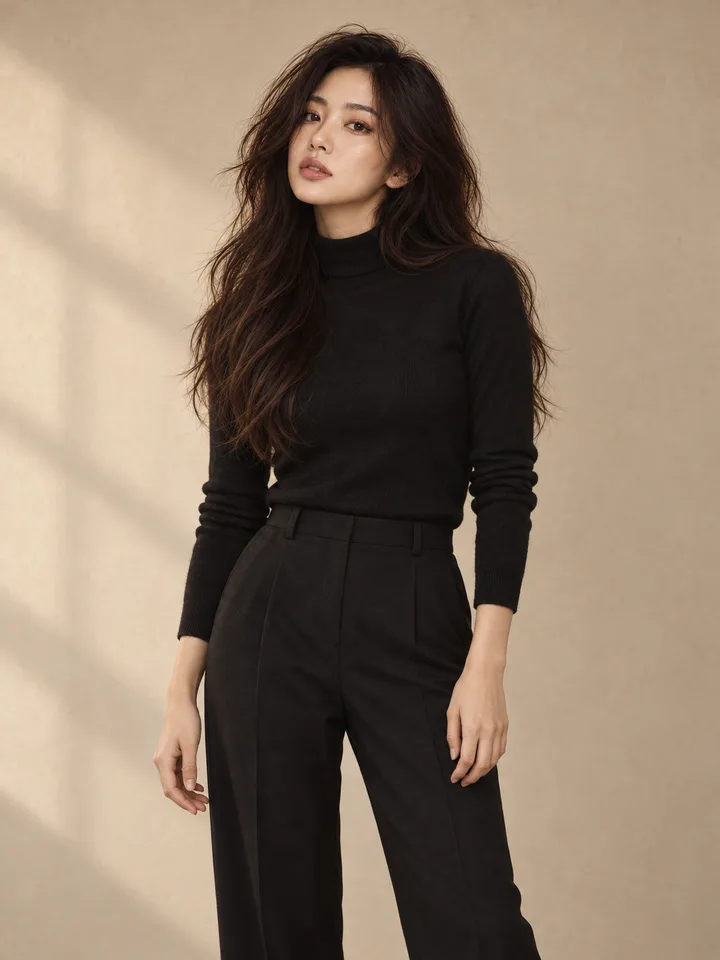
Start with one strong color master, compare a deliberate monochrome conversion at real display sizes, and choose by channel rather than vague style claims.
Read the guide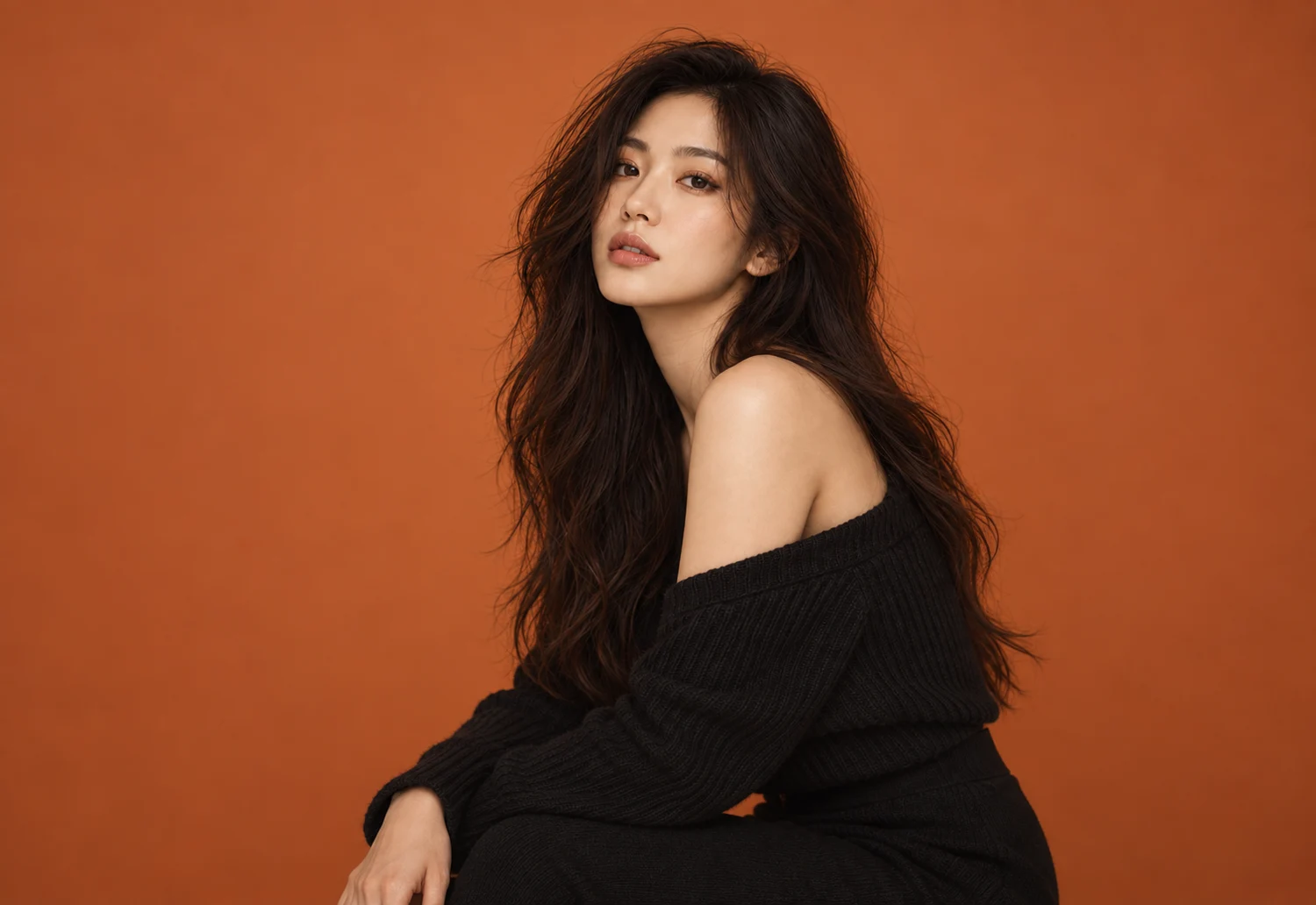
Learn how to compare AI headshot results using a two-pass system: eliminate identity, anatomy, and clothing errors before ranking images for channel fit.
Read the guide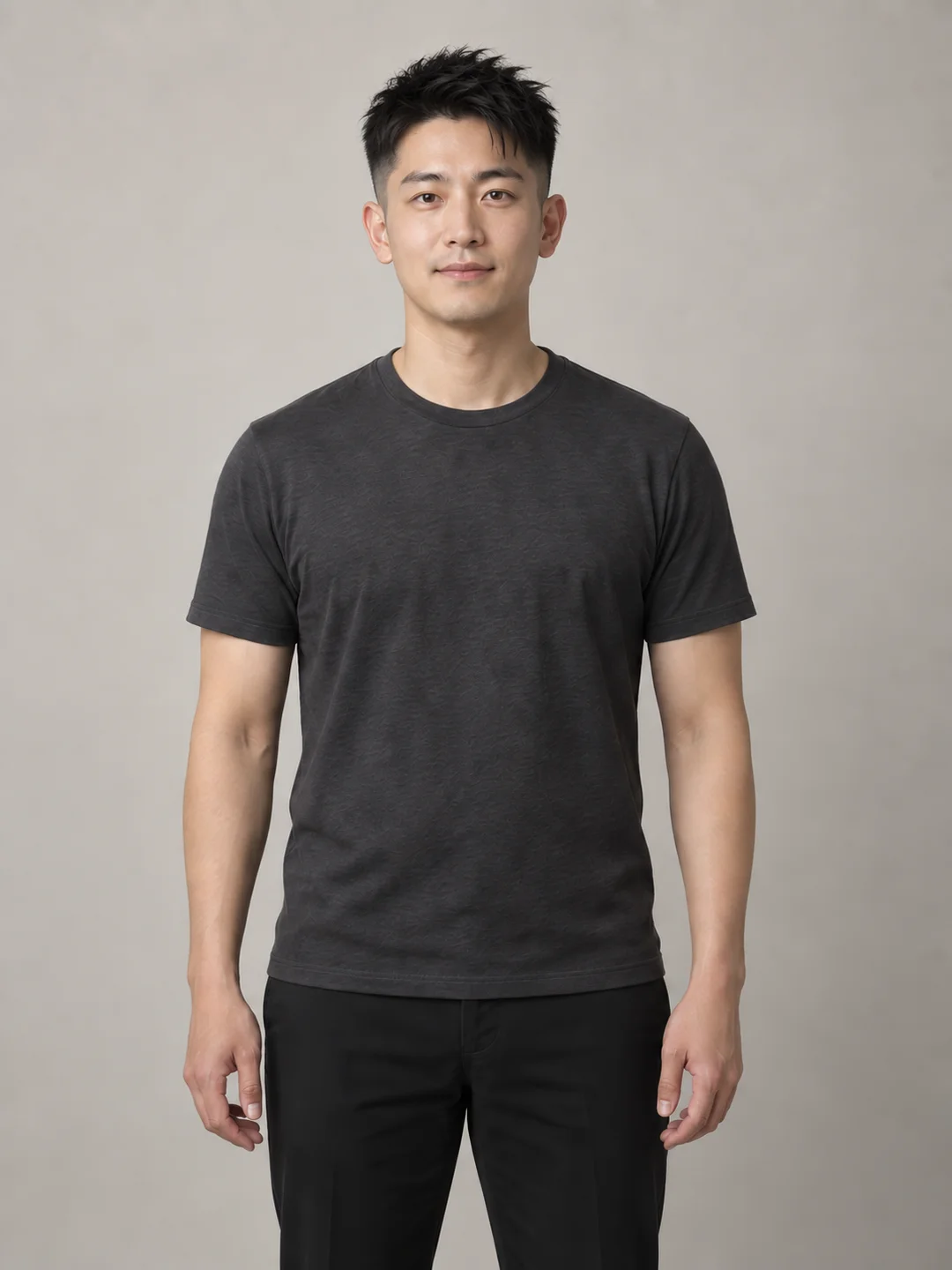
Create one recognizable portrait for the company site, investor deck, LinkedIn and press while keeping the wardrobe and setting credible to the business.
Read the guide
Choose an outfit and background that fit the market and brokerage brand, test them at listing-card size, and avoid staged props or identity-changing polish.
Read the guide
Compare formal and business-casual layers on one source photo, keeping expression, crop and background fixed, then choose by audience and channel.
Read the guide
Prepare a current, privacy-aware portrait for a practice website and therapist directory by balancing warmth, clarity and professional boundaries.
Read the guide
Use a preview to compare silhouette and face framing while separating those visual choices from curl pattern, shrinkage, density, movement and maintenance.
Read the guide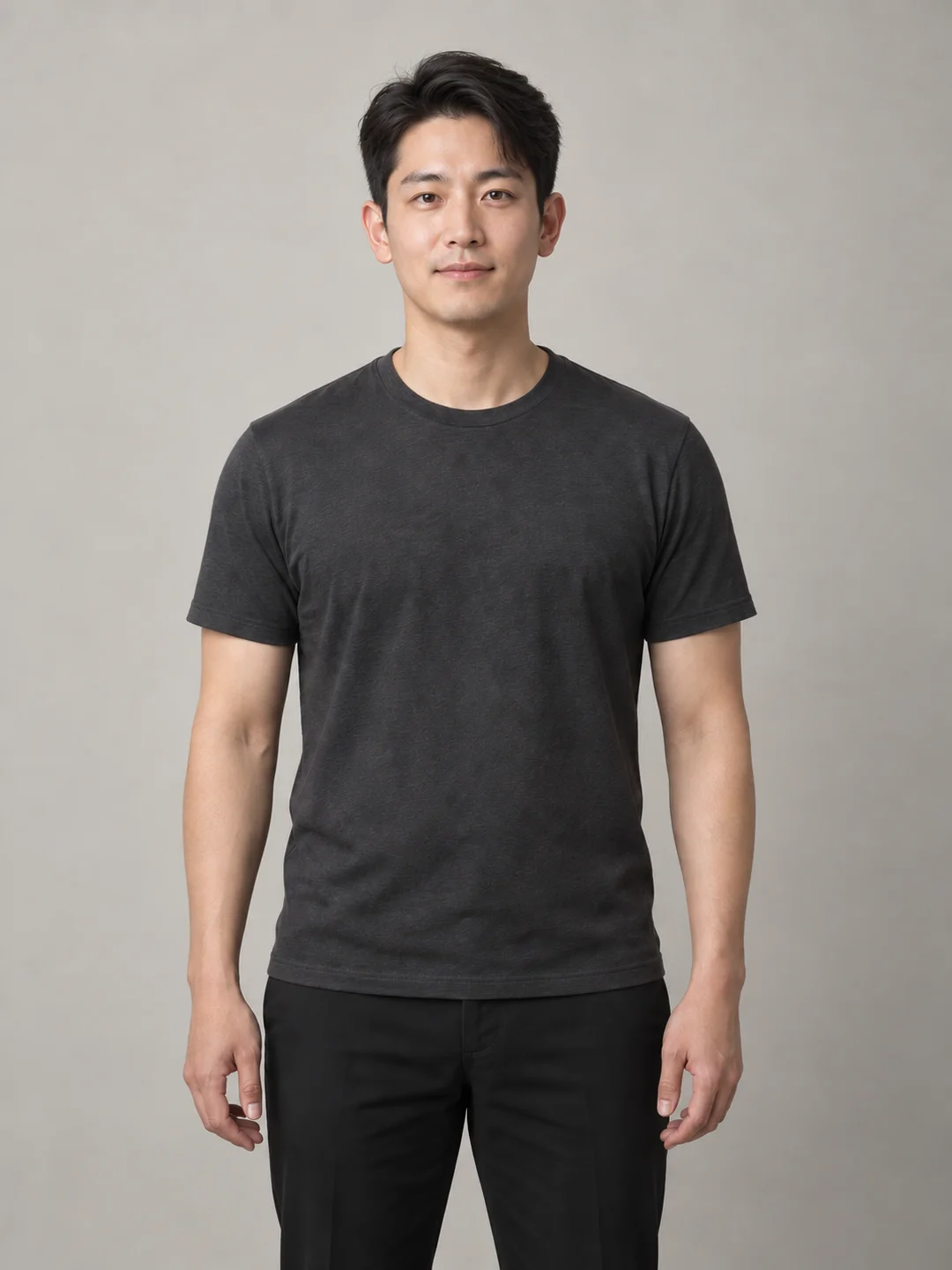
Follow Upwork's current official photo requirements with a compliant real-photo checklist, and understand why an AI-generated replacement is the wrong tool.
Read the guide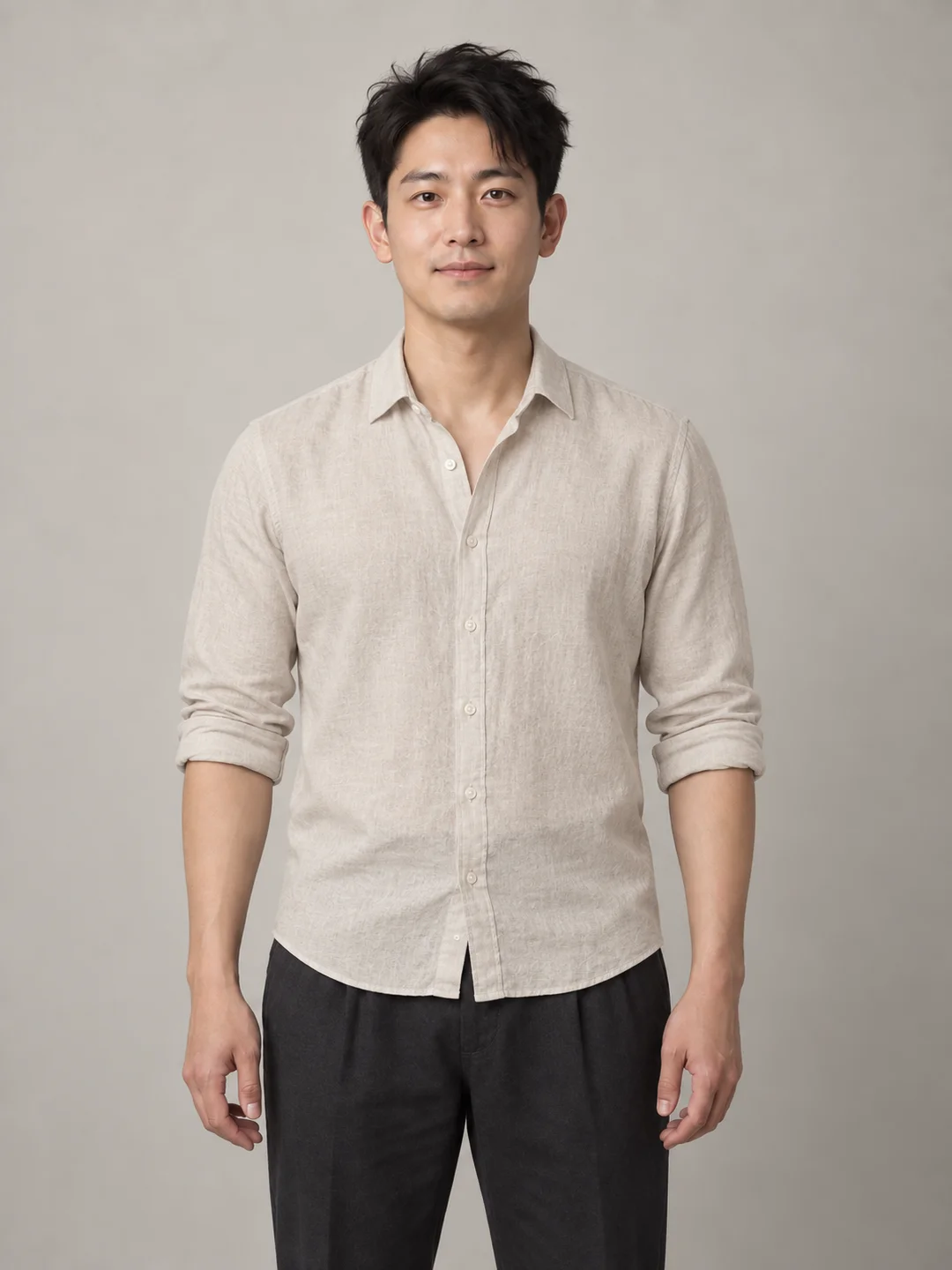
List identity-linked details before editing, make one change at a time, and compare frames, earrings, piercings and visible tattoos before accepting a result.
Read the guide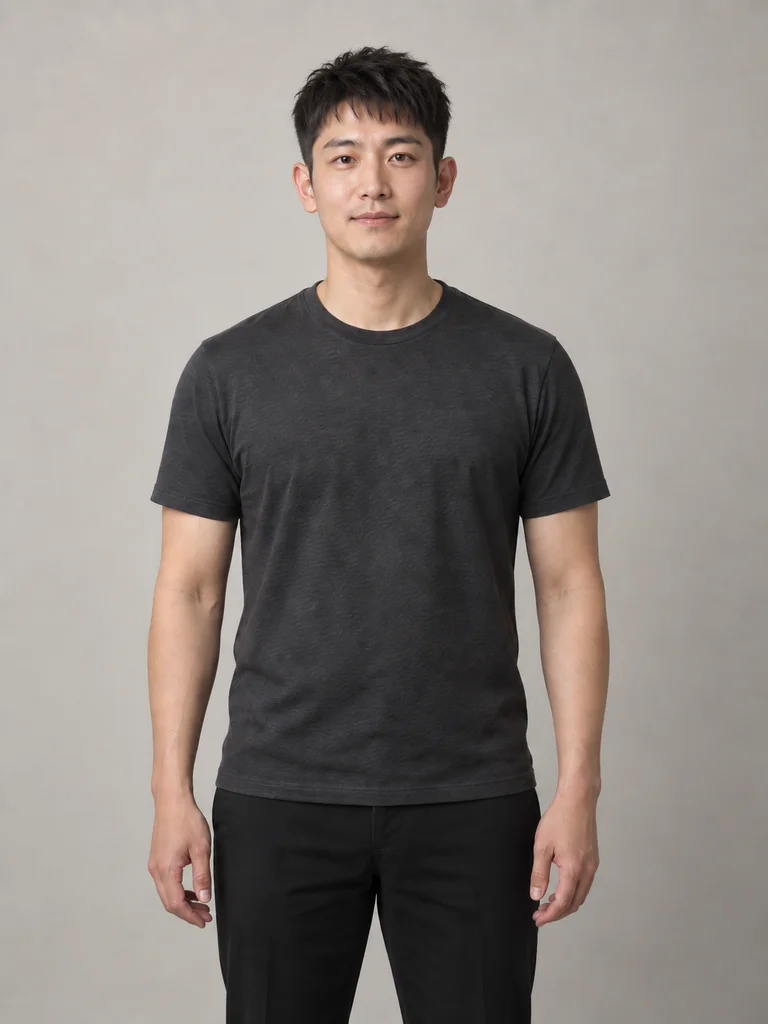
Review whether hair, age range, expression and features match the actor today, and explain why a generated transformation is unsuitable as a casting headshot.
Read the guide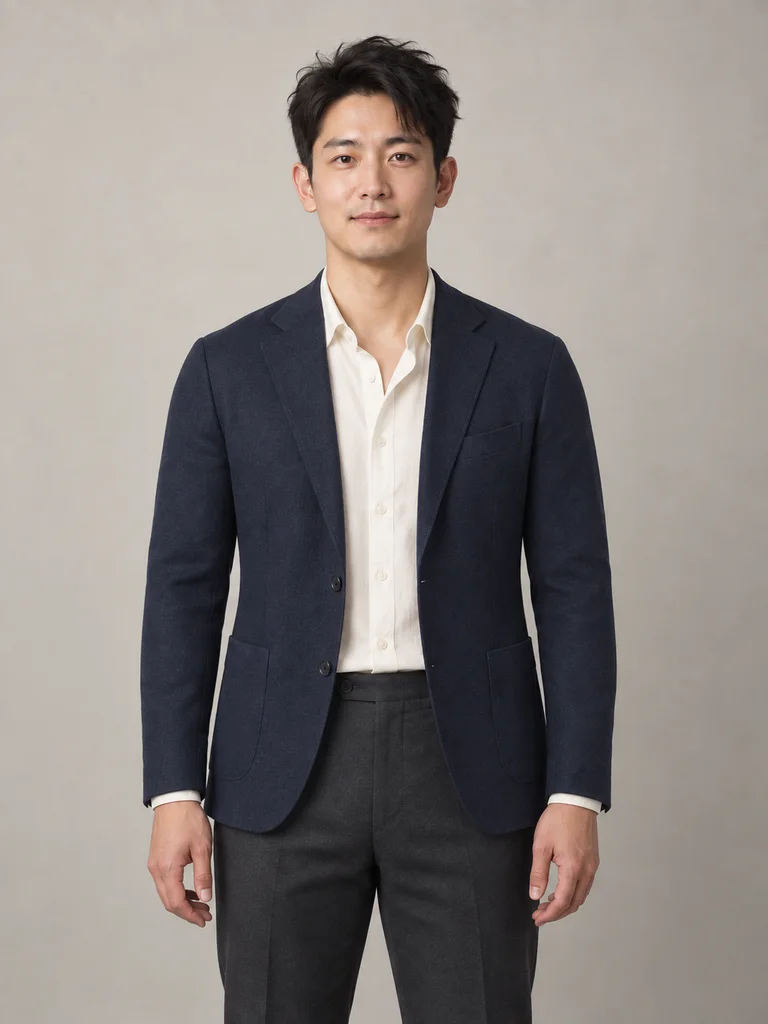
Choose formality from the employer context, then test color, pattern, glasses glare and background separation in a real camera rehearsal before the interview.
Read the guide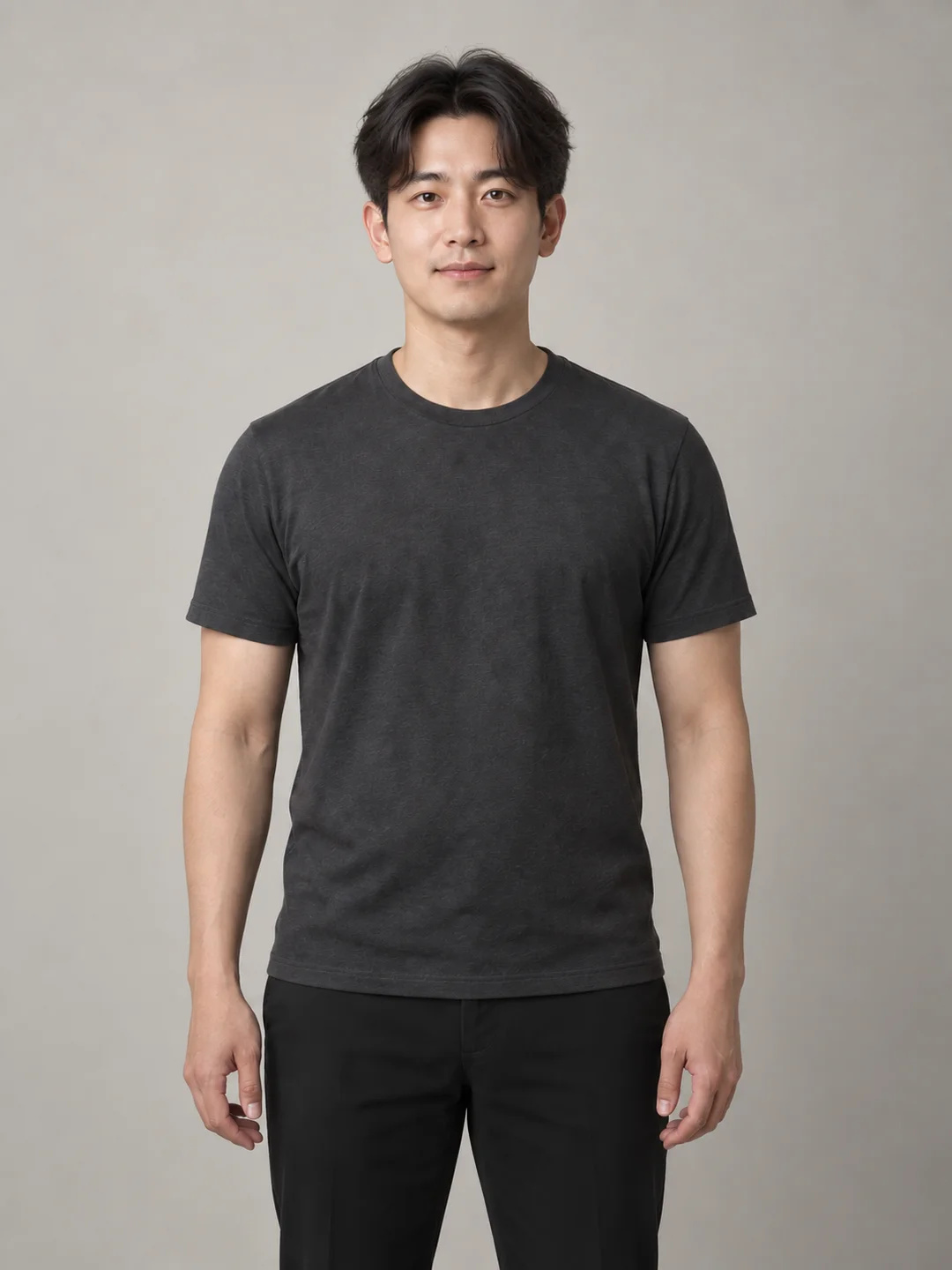
Choose between real context and a neutral backdrop by checking distraction, privacy, lighting and whether the setting truthfully represents you.
Read the guide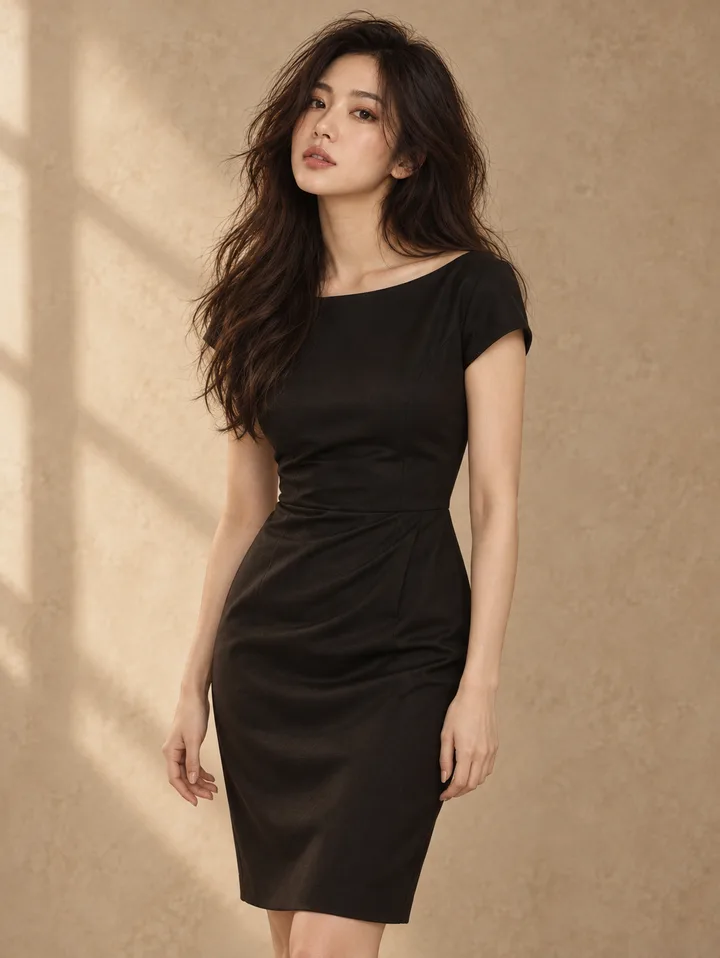
Choose a face-led headshot for recognition and an environmental portrait for context, then map each to About pages, team cards, press and social profiles.
Read the guide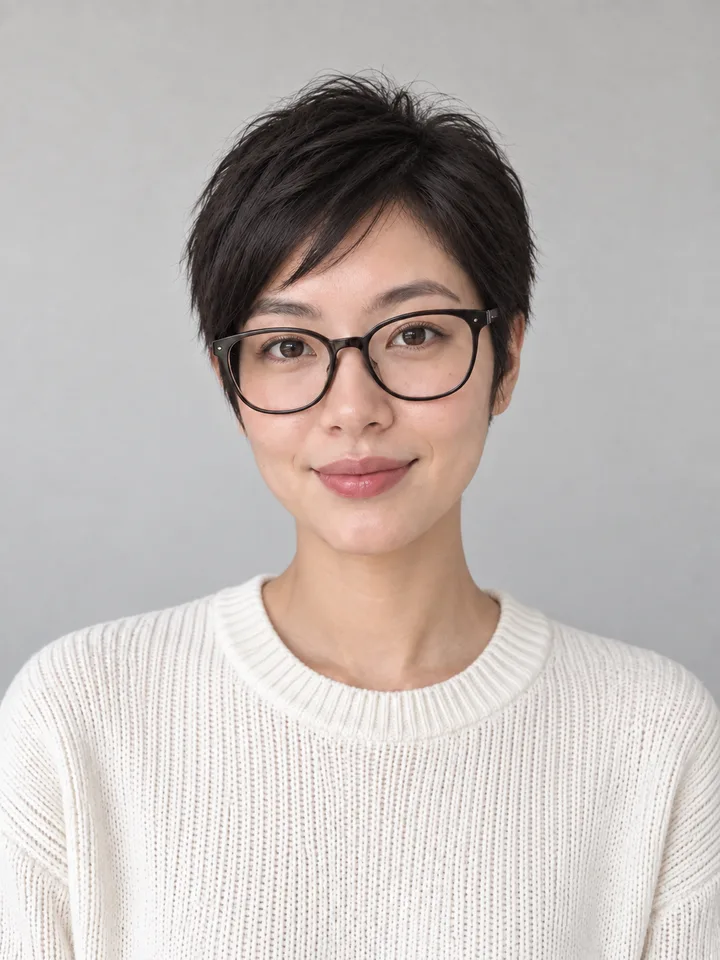
Compare full silver, salt-and-pepper and blended grow-out on one neutral photo, while treating each generated image as visual direction, not a dye promise.
Read the guideThese are LookScene editorial workflows and illustrative examples, not product benchmarks or professional styling consultations. We distinguish a visual idea from a verified result. When a guide changes, its revision date changes too.
Read our editorial approach