Quick answer
An actor headshot has one non-negotiable operational job: representing your exact current likeness the moment you walk into an audition room or join a callback on camera. In casting, a headshot functions as a visual specification sheet rather than an aspirational portrait. When a casting director calls in an actor based on a submission, any discrepancy in hair length, hair color, visible age range, facial structure, skin texture, or signature features immediately creates friction. The casting team is hiring for a specific role with precise physical and character requirements; walking into the room looking different from your photo undermines trust before you deliver your first line.
Because casting calls evaluate performers for commercial and theatrical roles based on their current appearance, using generative AI to create, alter, or transform a headshot is fundamentally unsuitable. Generative tools frequently redraw facial contours, smooth away essential age markers, and invent synthetic hair behaviors that do not exist in the physical world. While digital tools can assist with general concept exploration, a casting headshot must remain an accurate document of who you are today. This guide provides a systematic current-likeness checklist to help you audit your existing headshots, establish the boundary between acceptable retouching and unacceptable alteration, determine when a physical reshoot is necessary, and evaluate digital styling tools responsibly.
Who Should Use This Workflow and When Another Method Is Safer
This audit workflow is designed for auditioning actors, drama students, and working performers reviewing their current headshot portfolio for commercial and theatrical submissions. It gives performers an objective framework to assess whether an existing photo remains viable, whether minor retouching needs revision, or whether changes in personal appearance require a completely new session.
However, an audit workflow cannot solve structural physical changes. If you have undergone a major physical transition—such as cutting your hair from shoulder-length to a pixie cut, dyeing your hair from dark brunette to platinum blonde, shifting significantly in weight, aging out of a specific demographic bracket, or acquiring permanent facial hair or corrective eyewear—no digital patch or editing workflow can restore current likeness. In those circumstances, attempting to adjust an old photo or generate a modified version creates an unreliable representation. The only safe and professional option is to schedule a physical session with a professional headshot photographer (to evaluate session formats, see LookScene’s comparison on AI headshot vs. DIY vs. photographer).
What to Hold Constant Before Comparing Options
To evaluate whether a headshot still represents your current appearance, you must establish an uncompromised baseline. When actors review candidate photos, they often judge images based on subjective flatteringly rather than operational fidelity. To eliminate bias, you must hold physical and photographic baselines constant.
A reliable comparison requires isolating five core elements:
- Facial Geometry and Bone Structure: The proportions of your jawline, cheekbones, nose bridge, and eye spacing must match your natural face without lens distortion or warping.
- True Skin Texture: Pores, fine lines around the eyes and mouth, freckles, and natural contours must be visible under neutral lighting rather than blurred into an artificial sheen.
- Hair Reality: Hairline position, volume, density, and natural texture (straight, wavy, curly, or coily) must reflect how your hair behaves on an ordinary working day.
- Current Age Representation: The visual markers that communicate your castable age range must align with how you appear in person today.
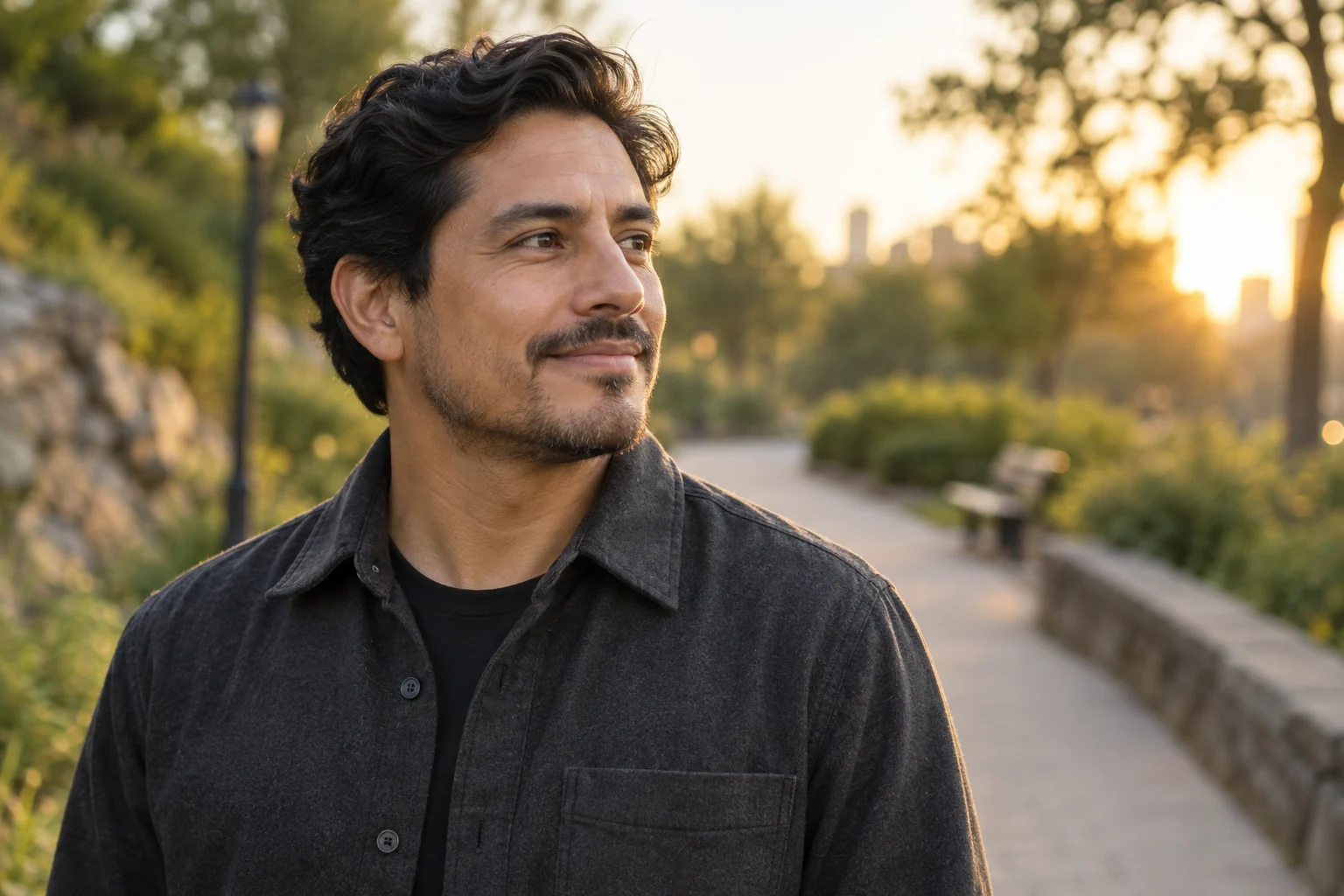
- Background and Lighting Context: A headshot must emphasize the actor's eyes and expression. In community discussions on Reddit r/acting, performers and industry veterans regularly address whether backgrounds impact casting decisions. While clean, non-distracting studio backdrops or muted natural settings help casting directors focus on the performer, lighting and backdrop choices should never be used to mask or distort physical features.
Furthermore, performers must understand the distinct needs of commercial versus theatrical casting. Commercial headshots typically emphasize warmth, approachability, and bright, open lighting suitable for brand campaigns and relatable character roles. Theatrical headshots, aimed at film, television drama, and stage productions, prioritize emotional depth, grounded character types, and more dramatic tonal contrast. While the mood, expression, and wardrobe differ between these categories, the underlying physical likeness must remain identical across both.
Step-by-Step Process: Auditing Current Likeness
Follow this four-step process to audit your existing headshots against your current physical appearance.
Step 1: Capture a Raw Baseline Reference
Before reviewing portfolio files, create an objective baseline. Stand in indirect, natural daylight facing a window without heavy makeup, styling products, or filters. Use a smartphone or digital camera positioned at eye level to capture a simple, unretouched snapshot of your face, hair, and shoulders. Do not smile broadly or contort your features; maintain a neutral, relaxed expression. This image will serve as your control baseline for comparison.
Step 2: Conduct the Five-Point Physical Audit
Place your candidate headshot side-by-side with your daylight baseline capture on a calibrated screen. Evaluate each of the following five checkpoints:
- Hair: Does the cut, length, parted direction, and color match your hair today? If your hair has grown more than two inches, if you added or removed bangs, or if your color has shifted in tone or level, the photo fails the likeness test.
- Age Range and Character Lines: Are your natural expression lines—such as crow's feet, laugh lines, and forehead furrows—visible in proportions that reflect your current age? An image taken five years ago often projects a younger bracket that no longer matches your in-room presence.
- Eyes and Gaze: Are the shape, color, and depth of your eyes completely natural? The eyes are the focal point of any casting review. Any unnatural sharpening, digital brightening, or iris enlargement distorts your authentic connection with the camera.
- Facial Architecture and Weight: Does the silhouette of your jaw, neck, and cheeks align with your current build? Subtle weight fluctuations can alter facial contours and neckline definition.
- Signature Marks: Are moles, birthmarks, scars, or distinctive facial features present in their exact real-world positions? If a signature feature has been retouched out or flipped by an inverted camera angle, the photo is unusable for casting.
Step 3: Differentiate Professional Retouching from Transformation
Professional retouching in actor headshots serves a strict, narrow purpose: removing temporary distractions while preserving permanent reality. Industry guides, including The Ultimate Guide to Actor Headshots, outline the standard industry threshold: retouching should address temporary anomalies like a sudden blemish, stray flyaway hairs crossing the eyes, mild under-eye redness from fatigue, or minor fabric lint.
A standard practical guideline is the two-week rule:
- Allowable Retouching: If a feature or blemish will naturally disappear within two weeks (such as a temporary scratch, a pimple, or mild skin irritation), smoothing or removing it is acceptable.
- Unacceptable Transformation: If a feature will remain on your face two weeks from now (such as skin texture, permanent scars, distinctive moles, laugh lines, or natural asymmetry), altering or erasing it crosses the boundary into unacceptable transformation.
Step 4: Evaluate Casting Range and Portfolio Diversity
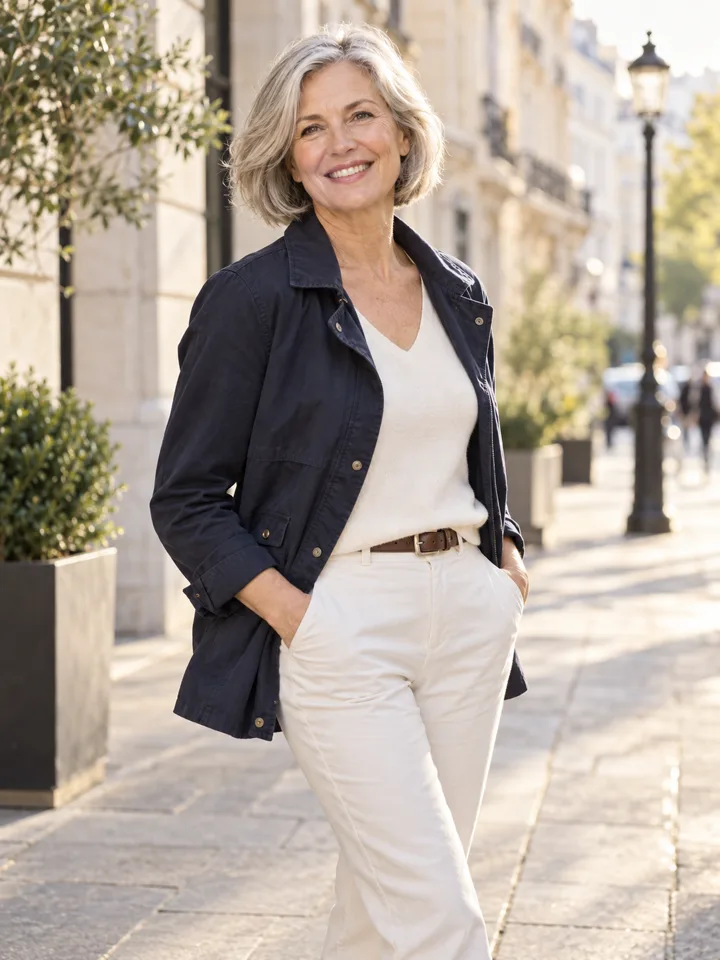
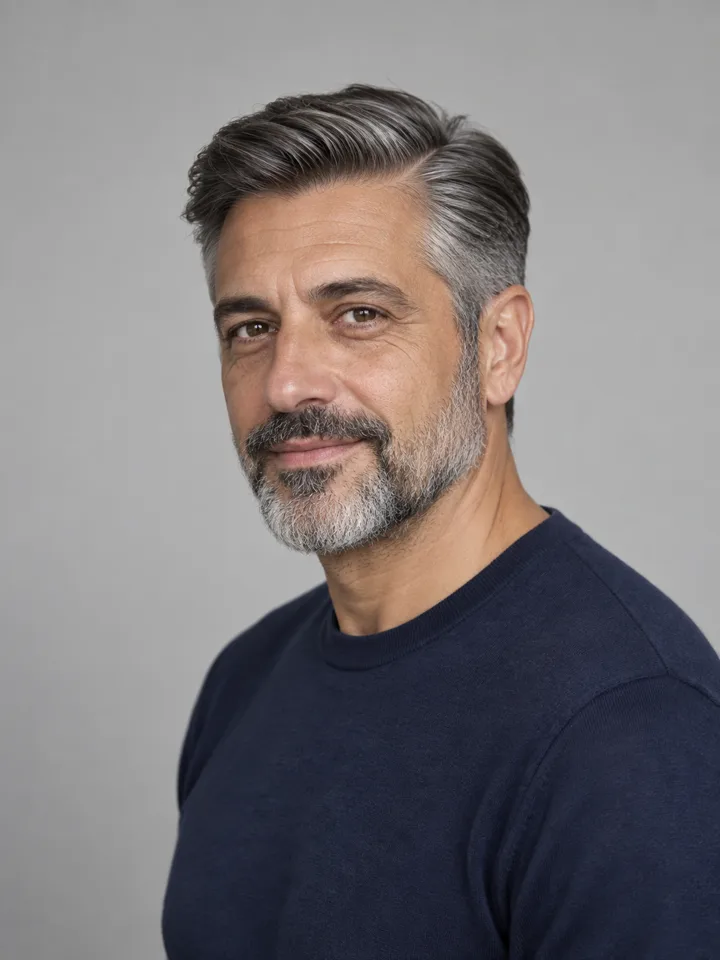
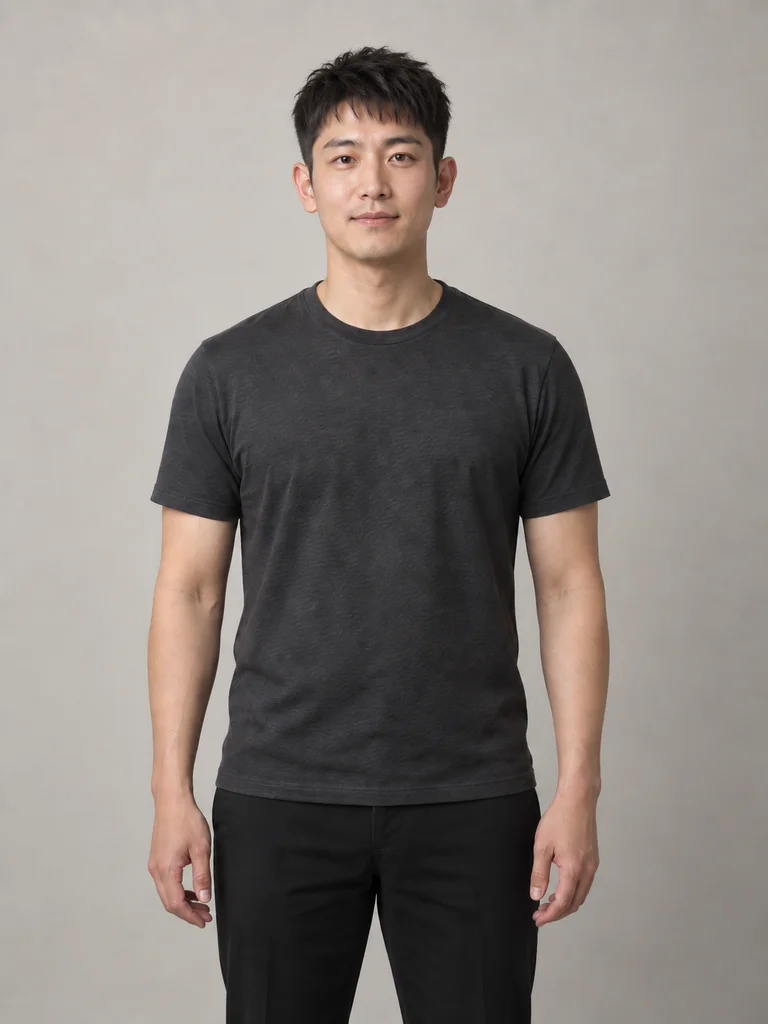
Performers often maintain a small set of headshots to target different character archetypes. Community discussions on Reddit r/headshots illustrate actors exploring diverse looks to submit for varied roles. When developing a range—such as a friendly commercial look, an authoritative professional, or an edgy dramatic type—ensure that wardrobe, lighting, and subtle expression shifts create the variety, rather than digital manipulations that alter your foundational identity. Every image in your portfolio must be instantly recognizable as the same individual.
How to Reject Misleading or Unusable Results
When reviewing existing headshots or exploring digital editing options, establish strict reject criteria. An image that creates confusion in casting can cost an audition opportunity. Use the following decision matrix to evaluate each asset before submitting it to an agency or casting platform.
| Inspection Target | Verification Requirement | Pass Condition | Reject Condition |
|---|---|---|---|
| Hair Length & Style | Matches current daily styling | Cut, length, and color reflect current hair | Noticeable length change, altered color, or artificial texture |
| Facial Anatomy | Unaltered bone structure and proportions | Jaw, nose, and eye contours match real face | Reshaped jawline, warped facial symmetry, or digital thinning |
| Skin & Texture | Realistic, observable dermal details | Pores, fine lines, and natural contours visible | Plastic smoothing, blurred pores, or erased expression lines |
| Signature Features | Exact placement of permanent marks | Scars, moles, and unique traits intact | Erased moles, removed birthmarks, or mirrored features |
| Background & Lighting | Clean focus on the performer | Neutral tone that complements skin and eyes | Hallucinated artifacts, halo cutouts, or distracting elements |
Failure Modes and Reject Criteria
Reject any headshot immediately if it exhibits any of the following four failure modes:
- Generative Hallucination and Structural Drift: Generative AI tools attempting to modify an outfit, hair, or setting frequently alter the underlying facial geometry. If a tool slightly changes the spacing of your eyes, alters the curvature of your nose, or changes the thickness of your lips, the image is no longer your likeness.
- Uncanny Skin Smoothing: Automated filters often strip away microscopic surface textures, creating a flat, airbrushed finish that looks artificial to experienced casting directors. If your skin appears porcelain-smooth without visible pore structure, reject the image.
- Synthetic Hair Artifacts: Generative software struggles with organic hair flow, often generating melted strands, inconsistent curl patterns, or unnatural blending where hair meets the background.
- Age Inconsistency: Presenting an image that subtracts five to ten years from your current appearance creates an immediate mismatch. If a casting director calls you in for a young-adult role based on an outdated or de-aged photo, you will be disqualified for the role upon arrival.
Trade-Offs, Product Limits, and Real-World Verification
Understanding where digital tools can assist—and where they must stop—is vital for professional actors. Personal AI photo styling tools like LookScene offer environments to explore styling variables on your own photos, such as previewing potential hairstyles, experimenting with outfit colors, or exploring portrait settings (see LookScene AI photoshoot).
However, LookScene and similar AI tools operate under explicit functional limits:
- No Identity or Proportion Guarantees: LookScene does not guarantee identity preservation, real hair accuracy, fabric fidelity, or exact body proportions. Generated outputs can drift from your actual facial features.
- Exploration vs. Production: LookScene is designed for personal ideation and styling exploration, not for producing official casting headshots. Paid packages are displayed as planned but are unavailable during the current free invitation preview.
- Editorial Illustration Only: Any generated styling example is an editorial preview, not a validated casting deliverable.
Actors may responsibly use styling tools during pre-production to explore questions like: "Would a warmer jacket color complement my skin tone in a commercial headshot?" or "How would a shorter haircut frame my jawline before I visit a salon?" But once the styling direction is determined, the headshot itself must be captured with a camera focused on the living performer.
Final Checklist and Next Action
Before submitting your headshot for your next casting submission, complete this final verification checklist:
- Hair Check: Length, cut, color, and texture match how you will style your hair for an audition tomorrow.
- Age Check: The image accurately represents your present age bracket, with authentic expression lines visible.
- Feature Check: All permanent facial marks, scars, moles, and asymmetries are visible and unaltered.
- Retouching Boundary: Editing is strictly confined to temporary blemishes and light flyaway removal; no structural changes have been made.
- Type Alignment: The expression and wardrobe match your target category (commercial warmth or theatrical depth) without contrivance.
- Authenticity Guarantee: The image is a genuine photographic capture, free from generative transformations or synthetic alterations.
Next Action
If your current headshot passes every item on the checklist, use it with confidence. If your hair, age, weight, or facial features have drifted from the photograph, do not attempt to patch the image using generative tools or heavy digital manipulation. Instead, schedule a physical session with a qualified headshot photographer to document your current appearance truthfully and keep your casting submissions credible.