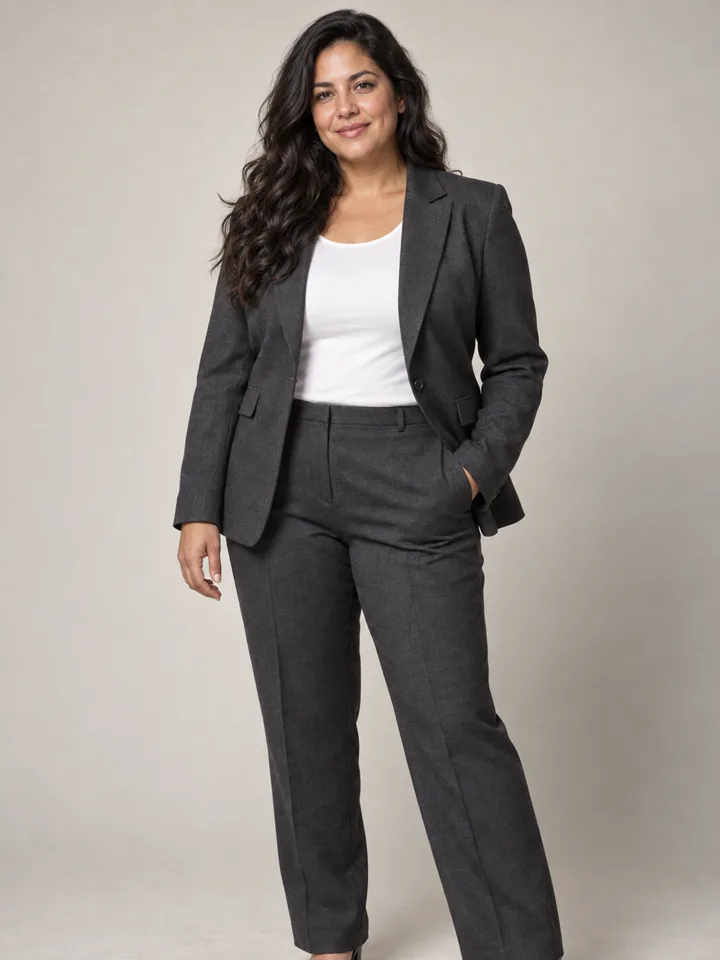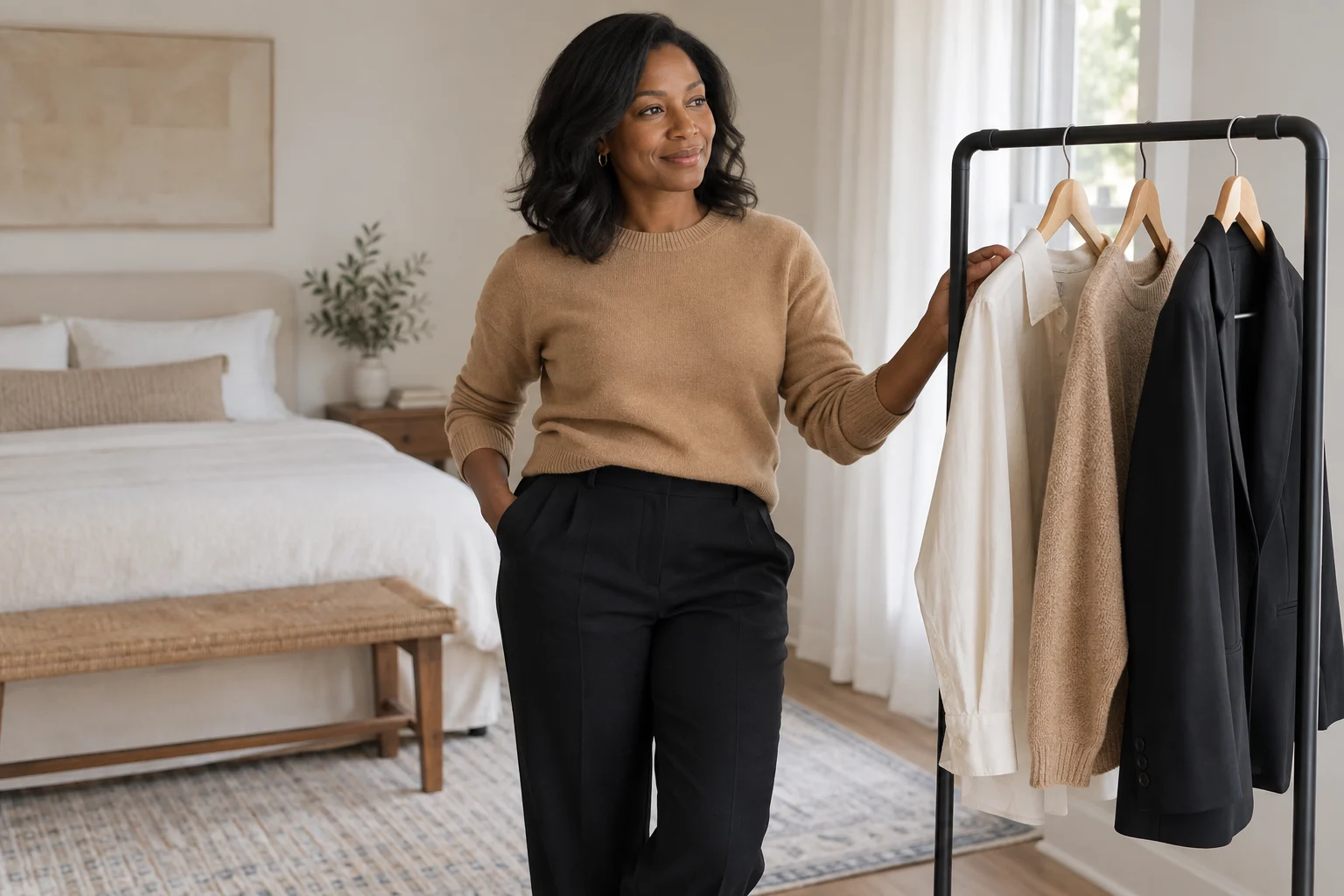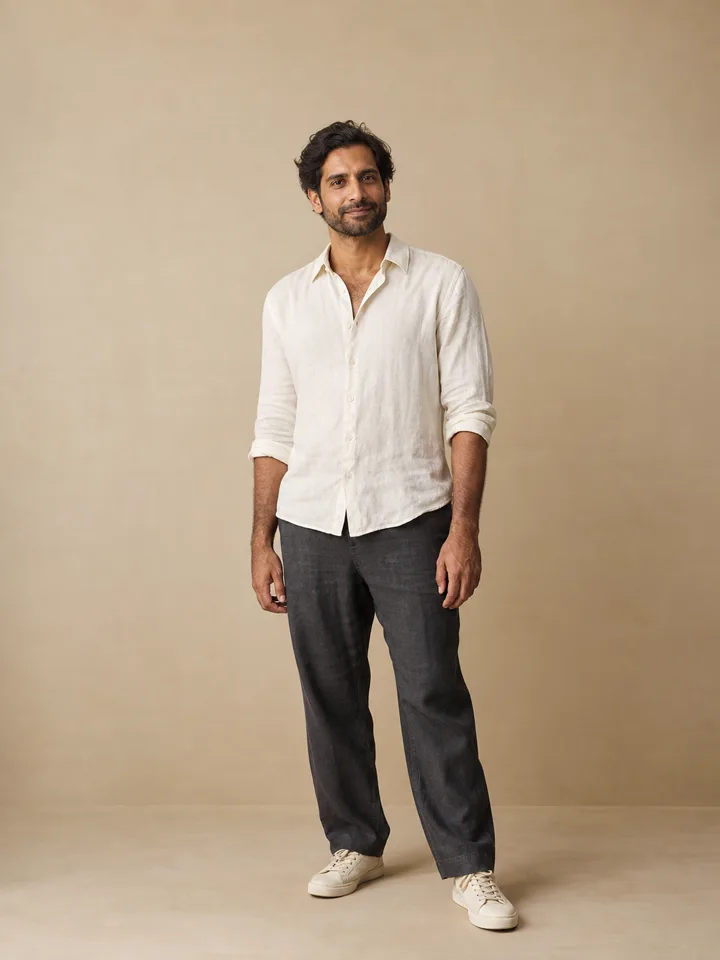

The Baseline: Credibility Over Costumes
Deciding what to wear for LinkedIn photo uploads often stalls on an outdated assumption: that every professional needs a dark tailored suit. In practice, the primary rule is far simpler: wear clothing consistent with how you credibly appear in your day-to-day work environment, then verify that your neckline, shoulder structure, and contrast survive a small circular crop.
Official LinkedIn profile-picture guidance emphasizes a current photo and clothing consistent with how the person appears at work. A community discussion about professional headshot outfits also shows why context matters: participants disagree about whether a shirt is too casual because their roles and workplaces differ.
Your profile thumbnail is not a fashion catalog spread; it is a functional anchor for your professional reputation. If a client, recruiter, or peer meets you on a video call or across a conference table tomorrow, your photo should look like the same person in an authentic version of your working wardrobe.
Role and Audience Contexts: Aligning with Industry Norms
Professional norms vary significantly across sectors. Before reaching into your closet, identify the visual expectations of your target audience—the hiring managers, enterprise clients, or research peers you intend to engage.
- Corporate and Client-Facing (Finance, Law, Management Consulting, Enterprise Sales): Structured tailoring remains standard. A tailored jacket, well-fitted blazer, collared dress shirt, or refined blouse communicates reliability and alignment with client expectations.
- Operational and Technical (Software Engineering, Product Management, Data Science, Operations): Crisp, understated options can include crew-neck knits, button-down shirts, polos, or structured casual jackets.
- Creative and Media (Design, Architecture, Brand Strategy, Content): Thoughtful construction and texture take precedence over rigid formality. Textured cardigans, architectural collars, clean dark t-shirts under soft-shouldered jackets, or subtle seasonal layers signal design intentionality without corporate stiffness.
- Academic, Healthcare, and Research: Practical polish is standard. Layered knitwear, collared shirts, clean sweaters, or modest jackets convey intellectual rigor and focus.
- Executive and Leadership: Regardless of the underlying sector, leadership headshots benefit from defined shoulder structure and deliberate neatness, ensuring authority registers clearly at a glance.
When your career spans multiple settings—such as an independent consultant pitching both enterprise banks and early-stage tech startups—prepare two distinct looks:
- A familiar daily work look: The clean, comfortable baseline you wear for regular team meetings.
- A slightly elevated alternative: A version with added structure, such as introducing an unbuttoned blazer, a tailored overshirt, or a sharper collar.
As highlighted in expert discussions on professional dress, true polish is not achieved by simply tossing an ill-fitting dark blazer over whatever you happen to be wearing. Fabric weight, fit across the shoulders, and neckline proportion determine whether an outfit looks intentional or assembled as an afterthought.
Fabric, Pattern, and Neckline Mechanics
A headshot is viewed primarily from the collarbone or mid-chest upward. Details that look balanced in a full-length mirror can fail completely when cropped tight.
| Garment Element | Recommended Choice | Risk or Failure Mode |
|---|---|---|
| Color | Mid-tone solids, deep jewel tones, balanced neutrals | Neon shades blow out highlights; tones matching your skin tone wash you out |
| Patterns | Solid weaves, subtle textures, wide-spaced checks | Tight stripes, fine houndstooth, and micro-checks cause digital moiré distortion |
| Neckline | Crew necks, modest V-necks, collared shirts, turtlenecks | Low-cut or wide scoop necks disappear below the crop, creating an unintended bare look |
| Shoulder Structure | Tailored seams, structured knits, natural shoulder line | Flimsy, unstructured t-shirts sag or bunch up around the neck |
| Fabric Finish | Matte cotton, wool blends, linen blends, fine gauge knits | High-sheen synthetics and reflective satin catch harsh camera glare |
| Branding & Graphics | No visible logos, clean uninterrupted fabric | Graphic prints, slogans, and visible brand logos distract from your face |
Color Without Universal Rules
Ignore rigid rules claiming that everyone must wear navy or that warm tones are universally unprofessional. Test whether the color gives your face enough visual separation from both the garment and the background. Compare a few realistic options under the same light instead of assigning yourself a universal palette.
The Neckline Crop Test
A tight circular crop can hide a low neckline or remove the garment's defining structure. Preview the actual crop and make sure a collar, lapel, or neckline seam remains visible near its lower edge.
Foreground Separation and the Circular Crop
LinkedIn presents your profile image inside a circle across web feeds, search results, and mobile navigation bars. An outfit that looks well-proportioned in a rectangular portrait can lose its structural integrity once circular masking removes the outer corners.
Check Edge Contrast Against the Background
Your clothing should establish clear separation from the setting behind you. A dark charcoal suit against a dark grey wall can make shoulders blend into the backdrop; a white shirt against an overexposed white background can make their contours disappear.
To plan your lighting balance and background tones effectively, consult our guide on portrait background and lighting setup. If you are shooting the source image yourself, follow the framing steps in how to take a professional headshot at home to keep your camera at eye level and capture sufficient chest margin for circular cropping.
Using an AI Headshot Outfit Changer Responsibly
Testing multiple wardrobe options in a photo studio requires extensive changes, multiple garments, and additional shoot time. Exploring variations with an AI headshot outfit changer allows you to preview how different collars, layers, and color contrasts frame your face before committing to a final look.
LookScene provides a personal photo styling preview tool designed for visual comparison and decision support. You start from your own real photograph, uploading a JPEG, PNG, or WebP image up to 10 MB. It currently operates as a free invitation preview for testing visual alternatives; it does not replace real-world tailoring or guarantee career outcomes.
When evaluating AI-assisted outfit previews, adhere strictly to one foundational principle: hold your identity steady.
- Preserve authentic features: Your face shape, skin texture, eyes, hair density, and head position must remain unaltered.
- Preserve body proportions: The shoulders and neck generated by the system must match your actual physical frame, not an idealized body template.
- Reject identity drift: If an edit alters your facial bone structure, smooths out distinctive features into plastic airbrushing, or shifts your gaze, discard the result immediately.
An AI preview serves as an effective styling sandbox to determine whether a tailored blazer frames your jawline better than a crew-neck sweater. It does not provide fabric simulation or exact garment try-on, and it cannot invent professional credentials. Treat the output as an editorial reference point to inform your real-world choices.
Pre-Upload Verification Checklist
Before publishing your photo to LinkedIn, verify your final image against this six-point checklist:
- Current Likeness: The photo was captured recently and accurately reflects how you look right now in everyday professional settings.
- Audience Credibility: Your clothing aligns with the authentic standards of your role, clients, or target industry, avoiding both unkempt casualwear and excessive, unnatural formality.
- Visible Neckline: Your collar, lapel, or top border sits comfortably inside the bottom of the circular crop, eliminating any bare-shoulder ambiguity.
- Clean Circular Framing: The circular boundary cuts cleanly across your chest and shoulders without clipping your chin or crowding the top of your head.
- Background Separation: Your clothing contrasts distinctly with the background color, maintaining clear shoulder definition even on small mobile screens.
- No Fabricated Setting or Features: The portrait presents an honest visual record of you, free from altered facial geometry, artificial luxury settings, or unearned signifiers.
A credible profile photo does not require high-fashion styling or rigid formality. By selecting an outfit grounded in your real work, paying attention to neckline structure, and testing your contrast in the circular crop, you present an authentic, polished presence that supports your professional goals.