Begin with a question you can actually compare
A request to look better is difficult to evaluate. Instead, decide whether you want less hair around the ears, more forehead visible, or a shorter morning routine. A picture can help with the first two visual questions. It cannot establish how much daily styling a real cut will need, how your hair grows, or whether your existing density supports the shape.
Use a clear front-facing photo with the entire head visible. Keep your usual glasses and facial hair. Avoid a beauty filter that redraws the jaw or forehead: these are landmarks you will use to judge whether the result is still recognizably you.
Compare three different variables separately
A buzz cut tests a close, uniform outline. A low fade changes the transition around the temples and ears. A side part changes direction and forehead exposure. These are different decisions, so do not judge them only by which photograph has the nicest lighting.
Start with the same source and natural color. Compare one edit at a time. Once you prefer a length, consider a fringe or part. A textured crop and middle part provide other directions without requiring a separate account or gender setting.
Inspect hairline, ears and fringe
Zoom in on the temple corners and compare them to the source. An artificially lowered hairline can make a cut appear more flattering while changing a feature you did not request. Check the shape of both ears, the transition into sideburns and the boundary between forehead and fringe. Stray hair is normal; repeated identical strands and melted edges are warning signs.
Next view the image at ordinary profile-photo size. Note the differences you prefer in plain terms, such as “less volume at the sides, but keep some movement above the forehead.” Reject results that change your eyes, jaw or expression before comparing attractiveness.
Take a preference, not a guarantee, to the salon
Save one or two useful previews together with the original. Explain which parts matter and ask a professional about your actual growth pattern, texture and maintenance routine. The tool does not book a stylist or prescribe a haircut. A convincing generated image is still only a visual reference.
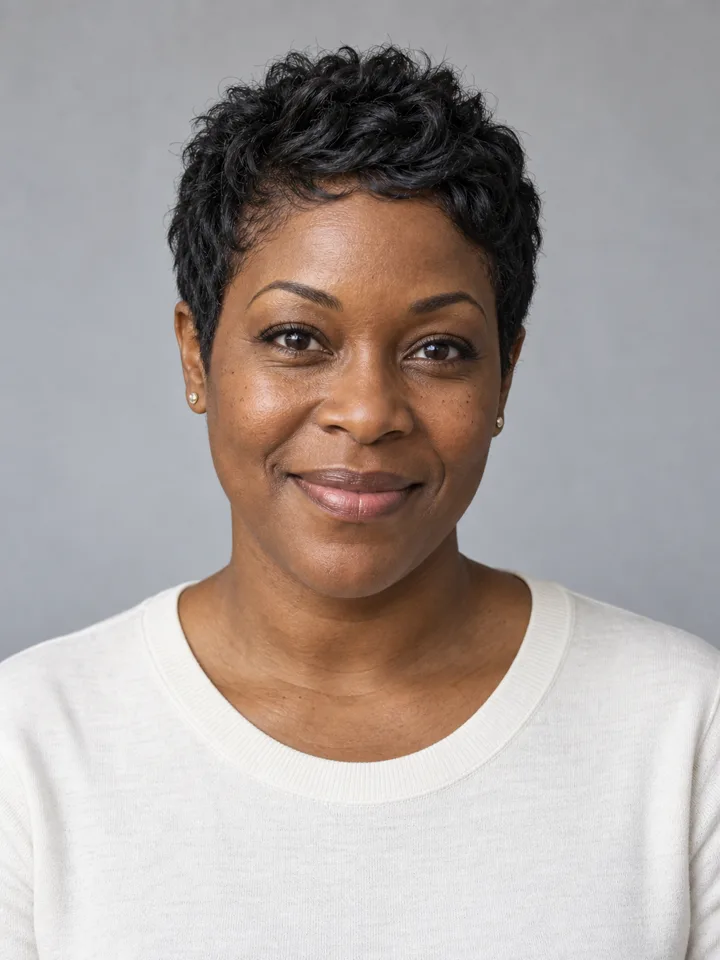
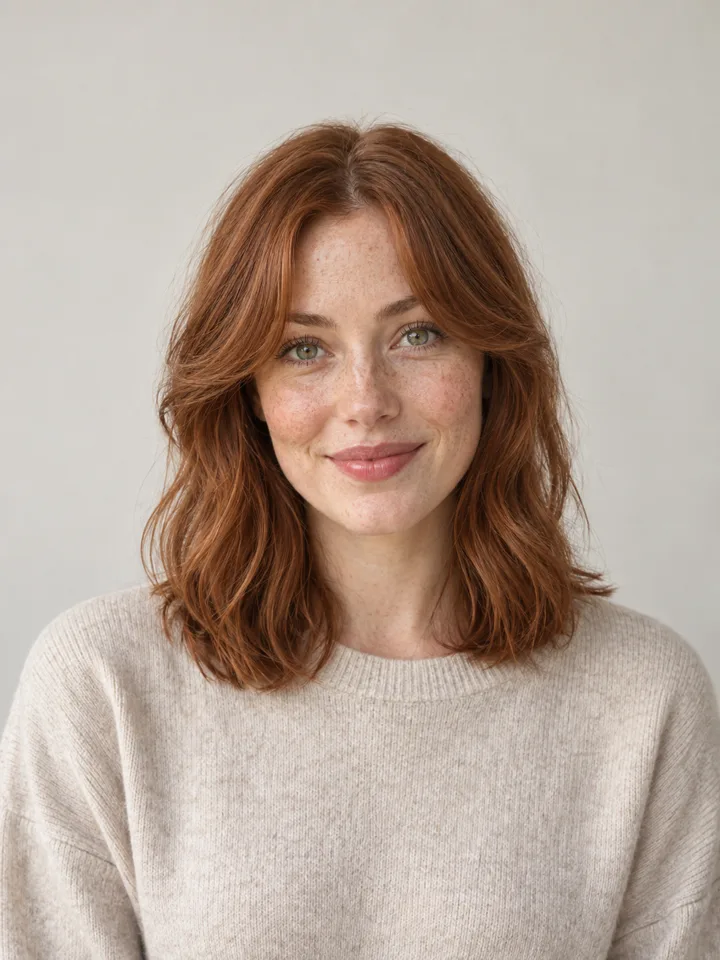
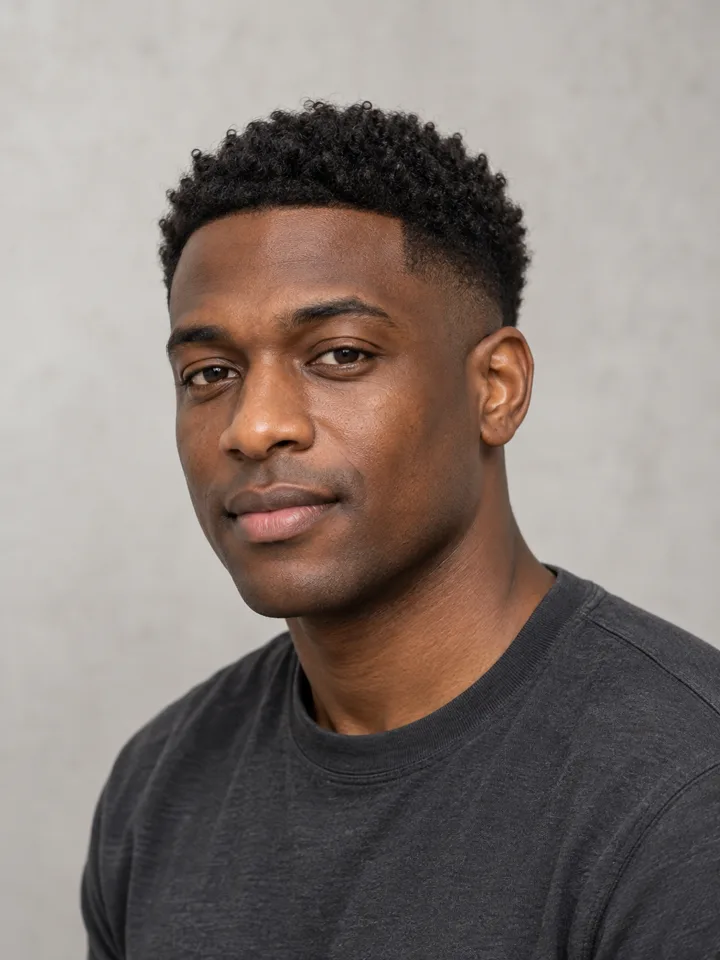
The gallery examples are AI illustrations of a fictional adult. They do not prove identical results for other people. For a more controlled starting point, use the photo preparation guide and keep your original alongside every result.
Keep a comparison record
| Preview | Compare | Do not assume |
|---|---|---|
| Buzz cut | Head outline and hairline | Real scalp coverage |
| Low fade | Temple transition and ear edges | Exact clipper settings |
| Side part | Forehead exposure and direction | Daily styling time |