# How to Show a Hairstylist What You Want
Sitting in a salon chair and asking for "a trim," "more texture," or "something lighter" often leads to mismatched expectations. Hair terminology is subjective, and visual references are the most reliable way to align with your stylist.
To get the best result from your consultation:
- Bring two or three reference photos rather than a large camera roll.
- Identify specifically what you like—and dislike—in each image.
- Add a single digital preview on your own face if helpful.
- Ask your stylist what is feasible for your natural texture, density, growth patterns, and daily routine.
Giving your stylist clear visual boundaries establishes the target look while leaving technical execution to their professional expertise.
1. Curate Two to Three Clear Reference Photos
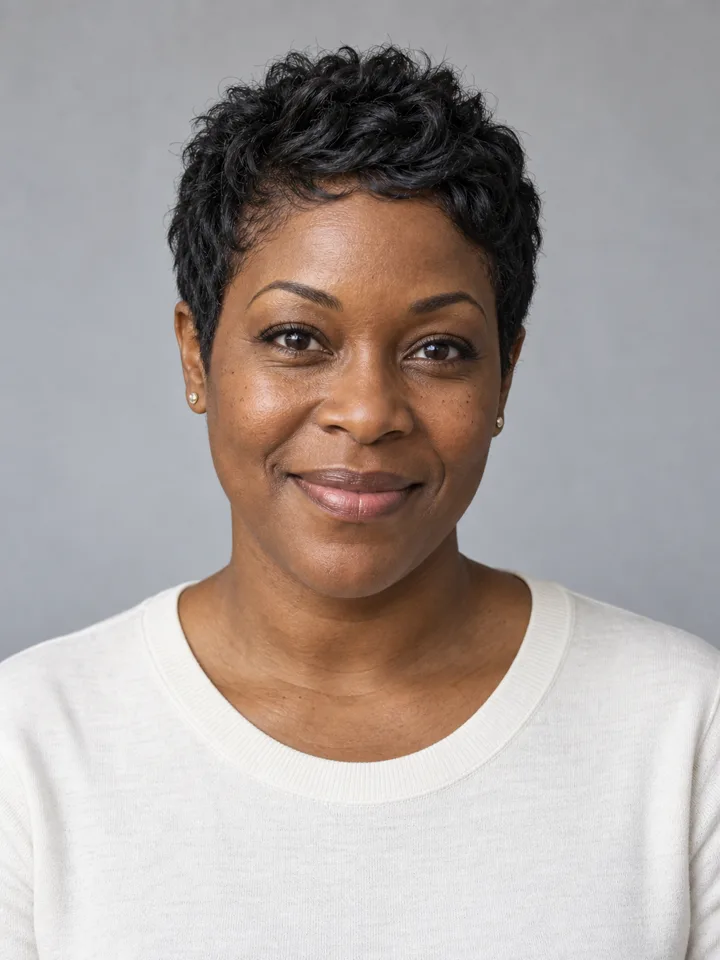
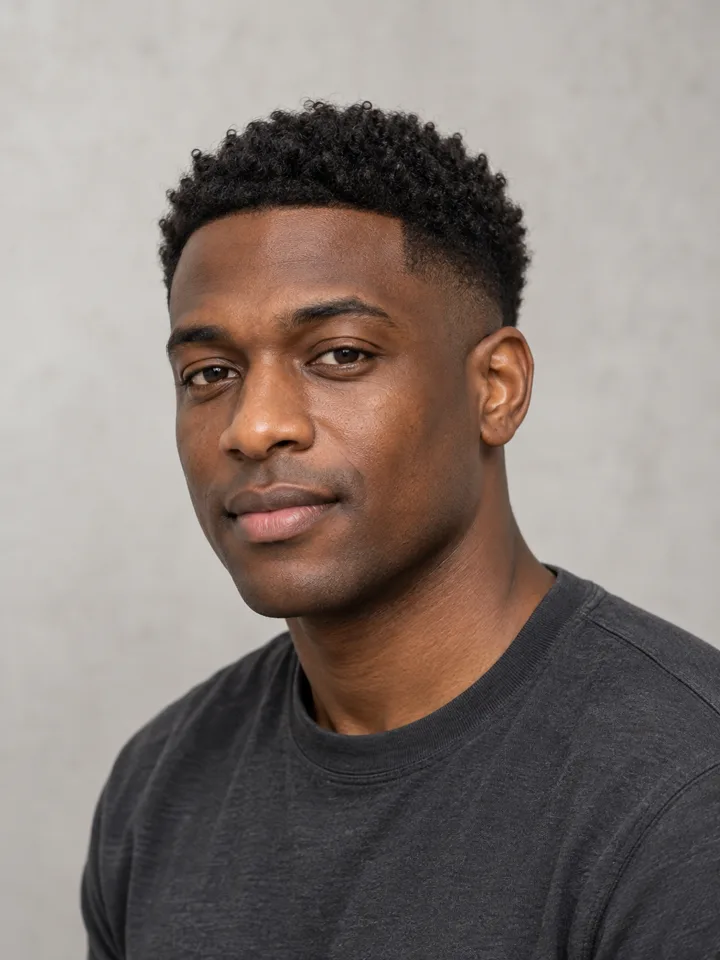
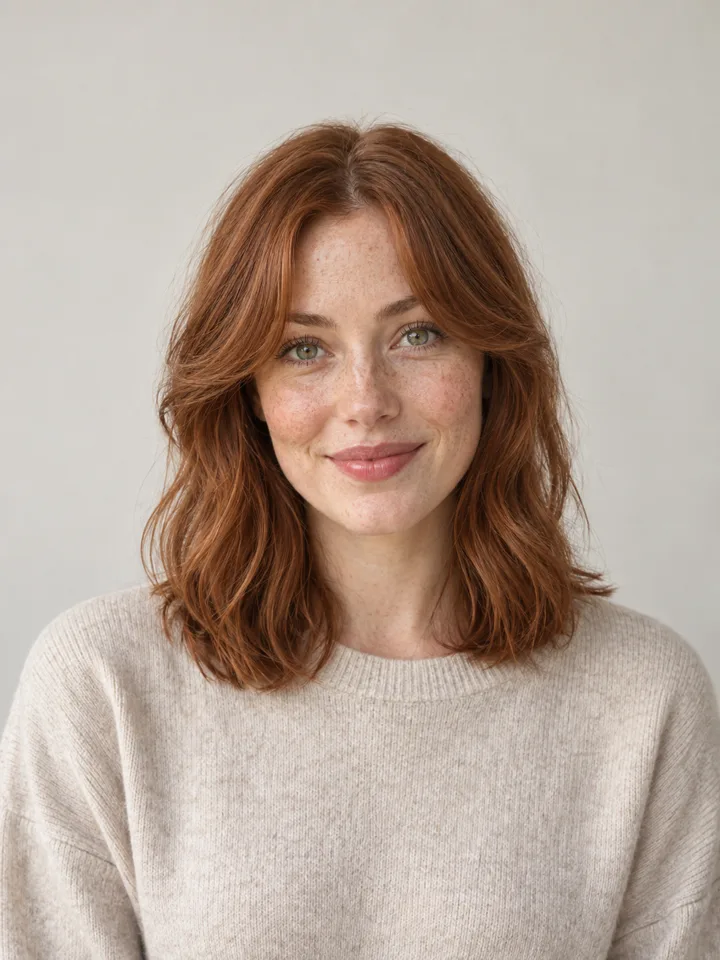
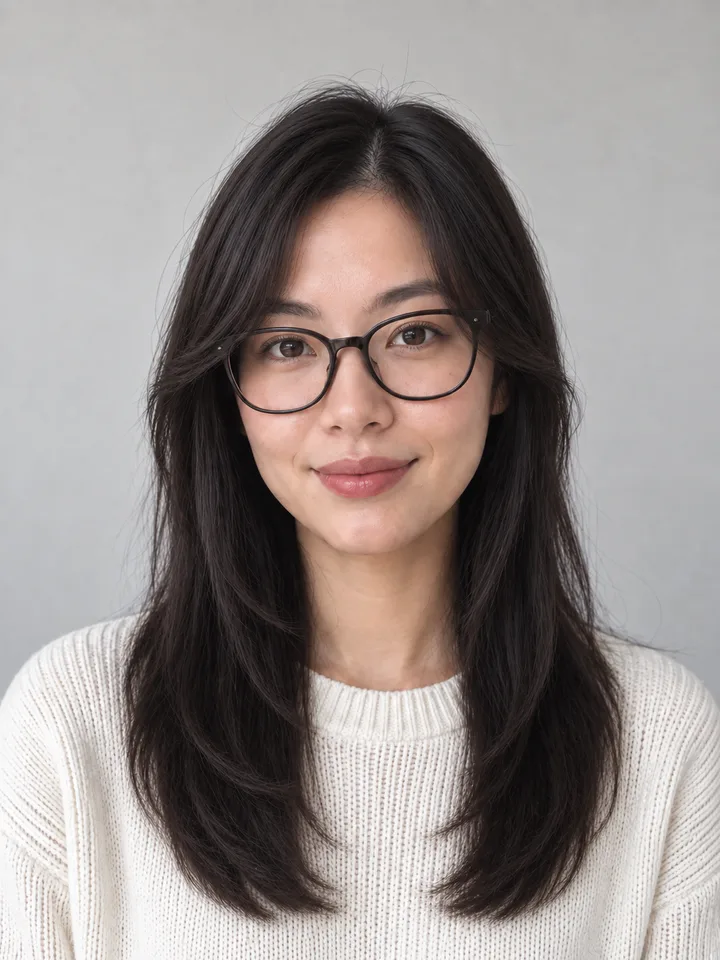
Hairdressers consistently note that working with two or three targeted photos is far more productive than scrolling through dozens of screenshots. Multiple images reveal common themes across your preferences, whether that is a curtain fringe, a blunt perimeter, or face-framing layers.
When selecting reference images:
- Choose visible angles: Whenever relevant, look for photos showing the front, sides, and back. A cut that looks light from the front often requires shorter graduation or weight removal in the back.
- Match your natural texture: If you have fine, low-density hair, choosing photos of thick, coarse hair sets up unrealistic expectations.
- Review the stylist's relevant work: Before booking, check your stylist's portfolio to confirm they regularly work with your hair type and desired aesthetic. If you plan a significant change, request extra consultation time so you are not rushed.
2. Separate Cut, Color, and Styling
A frequent breakdown in salon communication happens when clients conflate haircut structure with color or temporary styling. You might admire an image for its beach waves or dimensional highlights, unaware that the haircut itself is a simple baseline.
Break your reference photos down into three distinct elements:
- Cut: The structural foundation—overall length, perimeter shape (blunt, rounded, or tapered), and layer placement.
- Color: Highlights, balayage, or root shadows that create visual depth. Strategic color placement often creates an illusion of density or volume that scissors alone cannot replicate.
- Styling: Heat-curled bends, round-brush blowouts, flat-iron smoothing, or texturizing sprays.
When presenting an image, isolate the exact detail you want: "I like the shoulder-skimming perimeter and the soft curtain bangs in this photo, but I want to keep my natural color and will not be curling it daily."
3. Define Your Boundaries and Non-Negotiables
Knowing what you want to avoid is just as critical as knowing what you like. Before any shears touch your hair, state your boundaries across five essential zones:
- Fringe: Clarify whether you want eyebrow-length bangs, cheekbone curtain pieces, or no face-framing layers at all.
- Perimeter: State the lowest baseline boundary (for example, resting on the collarbone versus clearing the shoulders).
- Layers and volume: Clarify whether you want subtle surface layers to reduce bulk or internal layers for root lift.
- Length limits: Define the absolute shortest point you are comfortable with when your hair is dry.
- What must not change: Highlight essential functional routines. If you must be able to pull your hair into a ponytail for work or workouts, tell your stylist upfront so they maintain sufficient length.
4. Use an AI Preview as a Visual Aid, Not a Blueprint
Testing a silhouette on your own face can help you evaluate contrasting directions before your appointment. Using a tool like the /hairstyle-changer helps you see how a fringe, bob, or layered cut interacts with your face shape and forehead proportions.
However, a digital render is strictly a conversation aid, not an instruction sheet. An AI preview does not predict physical hair movement, natural texture response, or technical feasibility.
To use a preview productively:
- Show the unedited source beside it: Always present your original, unedited photo directly next to the preview. This gives the stylist an immediate view of your real hairline, density, and natural texture alongside the proposed silhouette.
- Focus on proportions: Use the render to discuss where volume and length should hit relative to your jawline or cheekbones. For more on evaluating proportions, see
/blog/hairstyle-face-shape-texture-maintenance. - Keep expectations grounded: Read
/blog/ai-hairstyle-preview-still-looks-like-youto understand how to interpret digital previews as directional references rather than guarantees.
5. Ask About Real-Life Maintenance and Grow-Out
A haircut needs to function on ordinary mornings, not just when freshly styled at the salon. Shift the conversation from the visual goal to day-to-day upkeep:
- Daily styling demands: "How much blow-drying, heat styling, or product will this look require each morning?"
- Texture and growth patterns: "How will my cowlicks, natural crown parting, or curl pattern alter this shape when air-dried?"
- Grow-out timeline: "How does this cut transition over the next eight to twelve weeks, and how often will I need maintenance trims?"
If your daily routine tops out at five minutes of air-drying, communicate that clearly. A skilled stylist will tailor the cut's internal weight removal so it falls into place without extensive styling.
6. Let the Stylist Translate the Visual into Technique
Once you have shared your references, specified your likes and dislikes, and set your boundaries, let the stylist handle the craft.
Do not attempt to dictate cutting techniques, shear types, or sectioning angles. Stylists translate your visual goals into technical reality based on your specific head shape, hairline whorls, elasticity, and density. Your job is to define the outcome and non-negotiables; their job is to choose the method that gets you there safely.
Next Step
Before your appointment, select two reference photos matching your general hair texture, prepare a face preview alongside your original unedited photo, and write down your top two non-negotiables (such as clearing your collarbone or tying your hair back). Bringing these materials to your consultation ensures you and your stylist start on the exact same page.