Four different jobs often share one label
“Try-on” can mean several things. A tool might invent a new outfit from a description, place an image of a particular garment onto a person, estimate physical fit, or recommend something to buy. These are different jobs, and a convincing picture does not prove that all four have been done.
LookScene's outfit flow is the first of these: explore a new outfit on a personal photograph using a style brief. It does not require wardrobe entry, and it does not connect to a clothing inventory or size model. During the current free invitation trial, eligible accounts can submit outfit-generation jobs using available credits; paid packages are disabled. See the current trial rules.
Choose the workflow that answers your question
| Your question | Information required | Is a style image enough? |
|---|---|---|
| Would I like a darker outfit mood? | Your photo and a creative brief | Useful for exploring the visual idea |
| How might this exact jacket look? | Your photo and the garment reference | A generic prompt is not exact evidence |
| Which size should I buy? | Measurements and product sizing data | No |
| Is this item in stock? | Current merchant inventory | No |
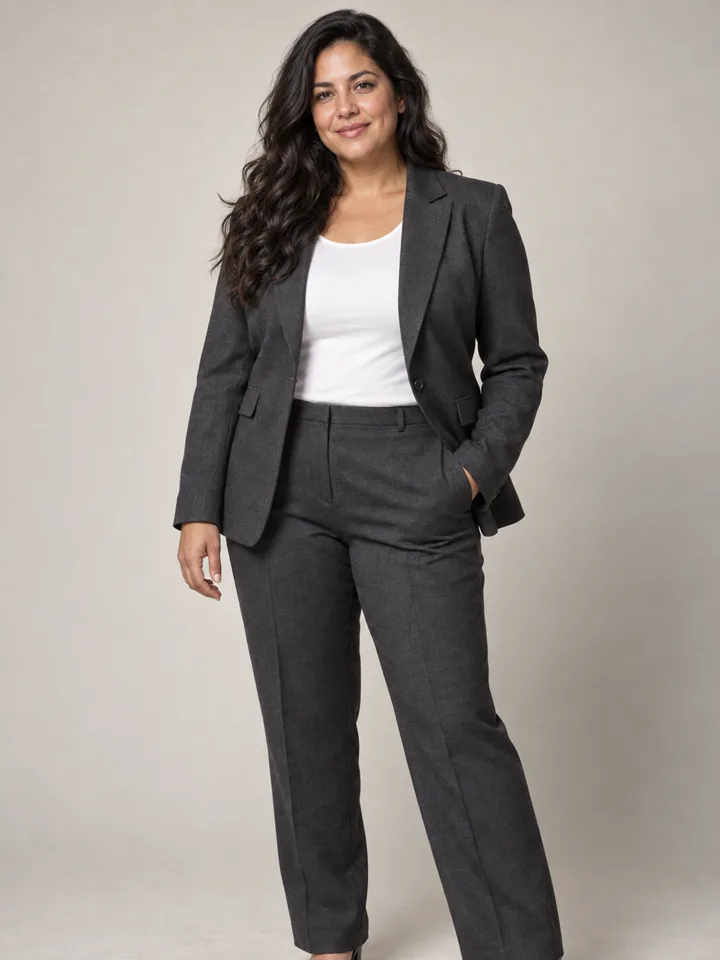
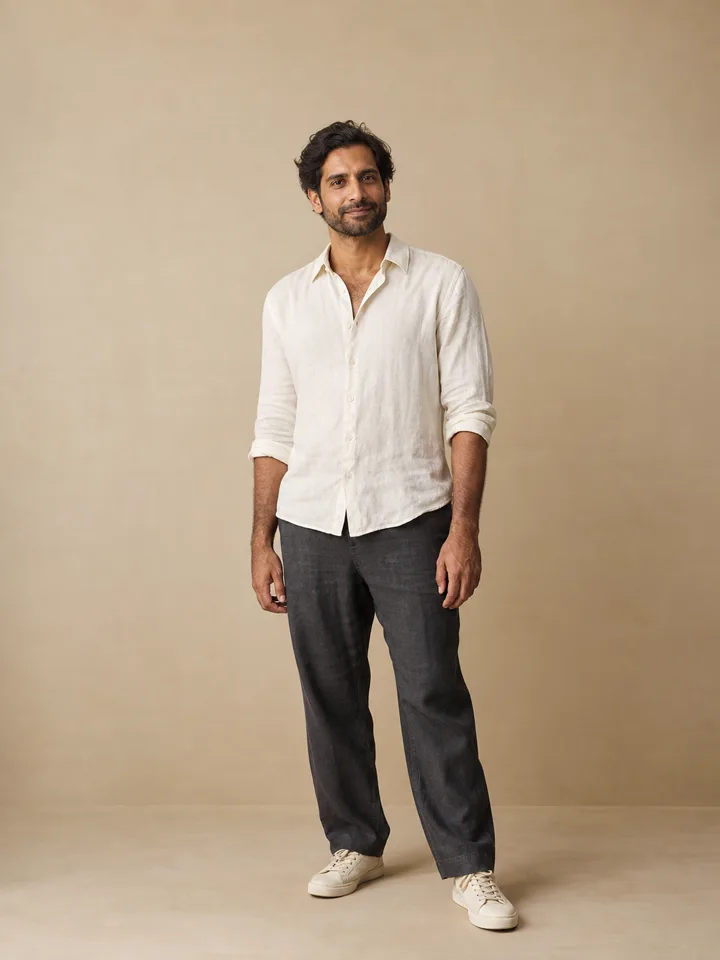
If your question concerns appearance, compare city tailoring with weekend linen. If it concerns physical fit, do not infer the answer from folds and shadows drawn by an image model.
What a generated outfit may invent
A model may invent buttons, seam placement, fabric texture, garment length and the shape of an unseen body area. It may also remove a hand or change the pose to make the new garment easier to depict. Those changes can create a convincing photograph while reducing its value as a controlled comparison.
Keep your source photo nearby and trace the body outline. If the shoulder or waist changes substantially, you are comparing more than clothing. Ask for fewer changes or choose an input where the relevant region is less obscured.
Write a brief at the right level of specificity
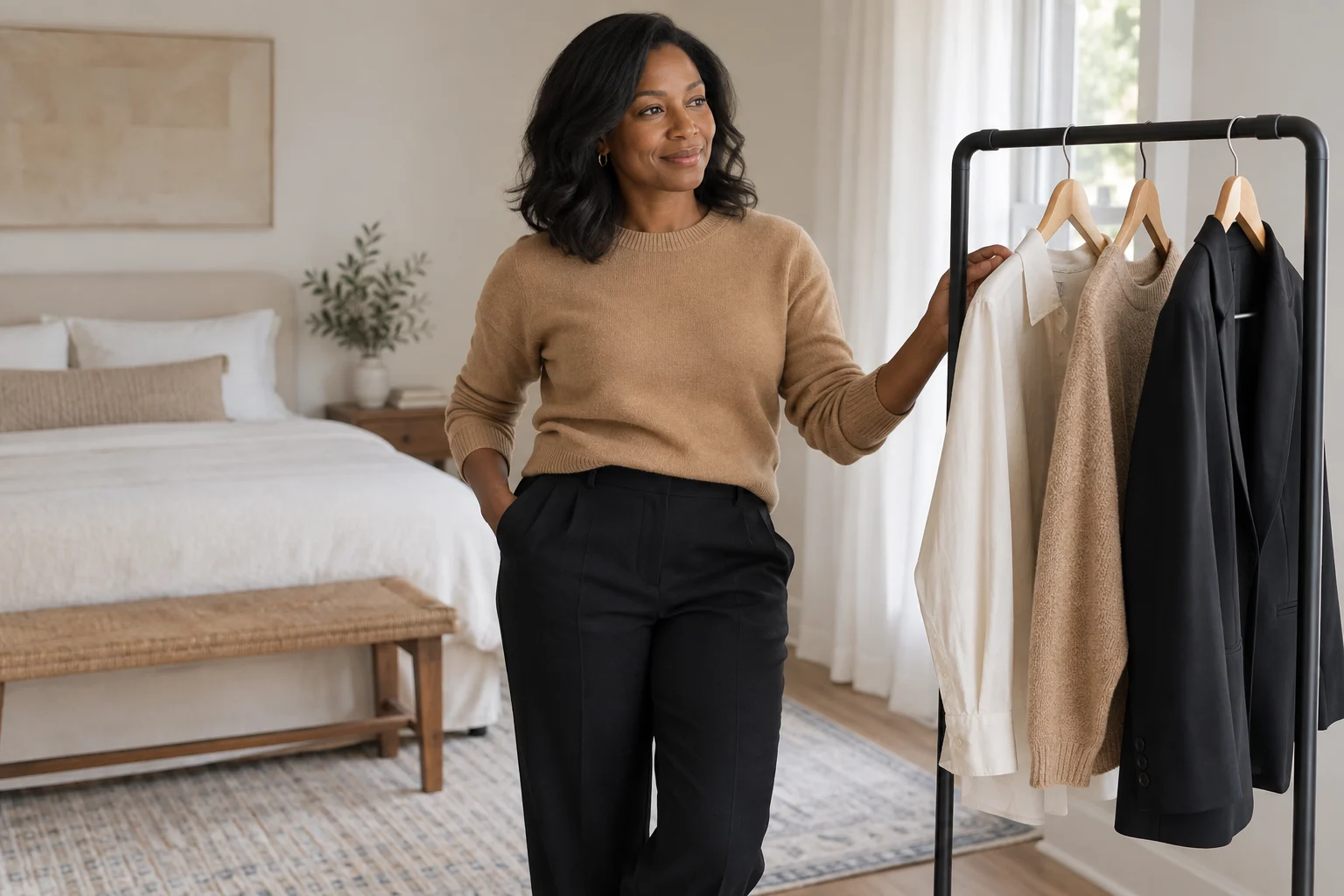
For mood exploration, name a silhouette, a fabric impression and a small color palette. “A relaxed oatmeal knit with a simple crew neck” is easier to evaluate than “the perfect outfit.” If you do not provide a specific garment, do not later call the result an exact product try-on.
Avoid adding a brand name merely to make the image feel more precise. It can introduce invented logos and details without improving the decision. Describe the visible design qualities that matter instead: structured shoulder, open collar, straight leg or matte fabric.
Review the image as a creative reference
Choose the strongest direction and write down why: perhaps you prefer the open neckline or the contrast of a darker jacket against the face. That is a useful result of a visual experiment. You can retain the observation without assuming a real garment will fit or behave like the image.
For a complete workflow, read explore outfit ideas without uploading your wardrobe. If you already have a strong idea, the outfit collection provides starting briefs and the photo requirements for a clearer comparison.