Before you start
Byline: LookScene Editorial, AI-assisted drafting and editorial review
When preparing a healthcare provider headshot, personal visual preferences must yield to institutional standards. While independent professionals can choose lighting, angles, or wardrobe reflecting personal branding, an institutional provider directory operates under strict compliance rules. Healthcare systems maintain directories to identify care teams, verify credentials, and preserve uniform branding across public platforms.
Photo standards generate recurring questions on clinical forums like r/nursepractitioner and r/medicalschool. Clinicians and trainees frequently ask whether self-styled portraits or digitally modified pictures are acceptable. However, each health network enforces its own submission rules. Personal styling mockups cannot override official facility guidelines.
Hospital Directory Rules vs. Residency Applications and Independent Marketing
Hospital directory photos differ significantly from residency application portraits or private practice marketing. Each category serves a distinct purpose with specific constraints.
Residency applications have their own instructions; do not assume a hospital directory photograph automatically meets them. In contrast, institutional directories display credentialed clinicians actively seeing patients. These images appear on patient booking systems and staff registries. While private practitioners may have more styling choices, institutional providers must follow department-mandated uniformity.
| Destination | What to request before choosing a photo |
|---|---|
| Hospital directory | The institution’s current format, attire, crop and permitted-editing rules |
| Residency application | The specific application service’s current photo instructions |
| Private practice profile | The site’s requirements and any professional or organizational rules that apply |
Examining Published Standards: Framing, Likeness, and Attire Rules
Public guidelines from medical institutions illustrate how healthcare systems standardize portraits. For example, Utah Health's published profile guidance asks for clear face-and-shoulder framing, a neutral background, and permitted institutional logos, while emphasizing an authentic, current likeness.
These specifications represent one health system's policies, not universal healthcare rules. Requirements vary across organizations:
- Framing and Aspect Ratios: Some directories crop portraits into circular badges, while others display vertical rectangles. Consult our guide on how to crop profile photos for circle and square displays to verify that collars and hair fit within circular frames.
- Attire and Badges: Hospitals often specify whether providers must wear an embroidered lab coat, scrubs, or a dark blazer. Never digitally add an institutional logo, badge, title, or white coat you do not possess.
- Current Likeness: The photo must reflect your present appearance when interacting with patients. Outdated photos or altered images risk confusion during in-person consultations.
Hypothetical Worked Example: Planning an Onboarding Submission
Consider how a clinician might prepare a compliant headshot in this hypothetical scenario involving Dr. Elena Vance, an incoming hospitalist at a regional healthcare network.
During onboarding, Dr. Vance receives an administrative notice requesting a directory headshot. The communications policy requires an unedited portrait against a slate-grey background, featuring business-casual attire under an approved white coat.
Dr. Vance wants to evaluate whether wearing her hair up or down pairs better with her consultation coat collar. Rather than booking salon appointments, she uses LookScene for personal AI photo styling. Working from reference pictures, she tests hairstyle arrangements and neckline pairings to evaluate silhouette balance.
Dr. Vance treats these generated images strictly as personal styling references. Because the hospital mandates an authentic likeness, she brings her preferred hairstyle decision to the scheduled credentialing photoshoot. By separating styling exploration from formal submission, she arrives prepared while following hospital policy.
Visual Styling Exploration: When AI Tools Help and Where They Stop
Digital styling tools offer a practical way to test hair arrangements and wardrobe silhouettes before a physical shoot. LookScene provides personal AI photo styling for hair, outfits, and settings for adults using their own photos. Treat the output as a visual concept, and check the service’s privacy terms before uploading a photo.
However, the tool operates within defined boundaries:
- No Physical Alterations: LookScene does not provide physical styling, garment tailoring, or exact clothing fit.
- No Medical Advice: The tool offers visual references only, without medical advice or assertions regarding patient trust.
- No Guaranteed Identity Preservation: AI rendering engines can alter facial geometry and skin details. The tool does not guarantee identity preservation.
- Free Invitation Preview: LookScene currently operates as a free invitation preview; it does not offer unlimited access.
When choosing an approach, review our guide comparing AI headshots vs. DIY setups vs. professional photographers. Use AI previews only in ways the destination permits. When an institution requires an original photograph, institutional requirements override any generated preview.
Submission Verification Checklist and Operational Limitations
Before submitting a headshot to an institutional directory, verify these essentials:
- Authorization: Confirm that your department approved the submission channel, dimensions, and file format.
- Authentic Attire: Ensure lab coats, badges, and credentials reflect your active role without digital additions.
- Framing: Check that the portrait uses a neutral background with adequate headroom for circular crops.
- Current Likeness: Verify that the image reflects your current appearance, including eyeglasses or facial hair.
- No AI Alterations: Follow the destination’s editing policy; use an actual photograph whenever required.
Limitations and Variances
Directory policies are established locally and updated by hospital communications and credentialing committees. Requirements can differ between organizations. Always obtain written photographic criteria from your onboarding coordinator before submitting a portrait.
References
- Utah Health Headshot Guidelines: Institutional profile specifications covering face-and-shoulder framing, neutral backgrounds, institutional logo rules, and current likeness expectations.
- r/nursepractitioner Professional Headshot Discussion: Qualitative clinician discussion reflecting practical questions about attire, lab coats, and directory portrait expectations.
- r/medicalschool Application Photo Discussion: Trainee questions examining the differences between residency application requirements and hospital staff directories.
Style options to compare
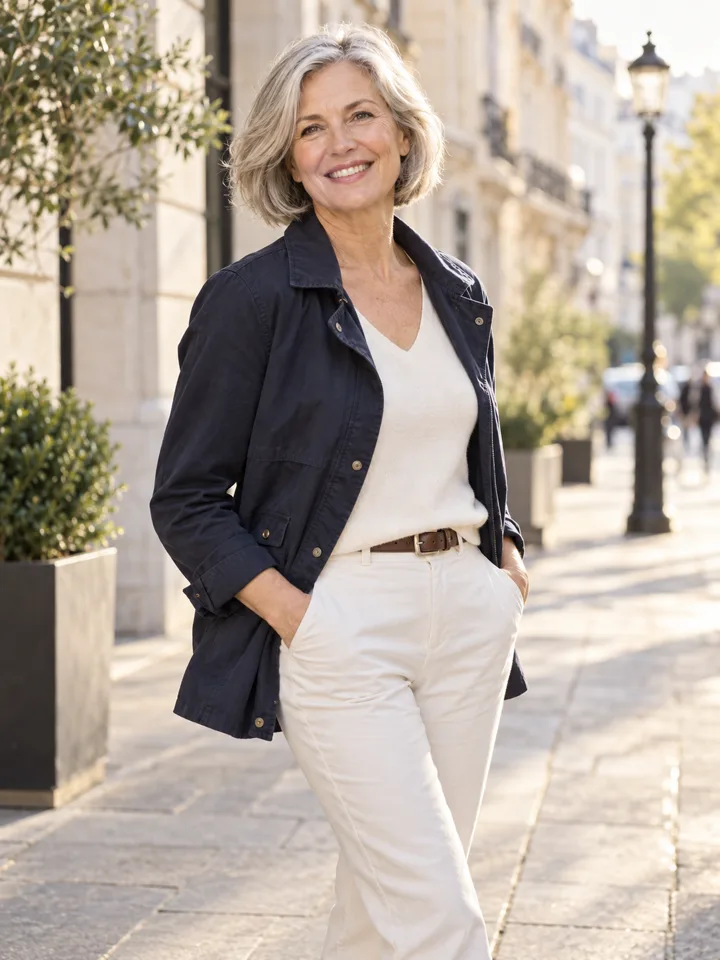
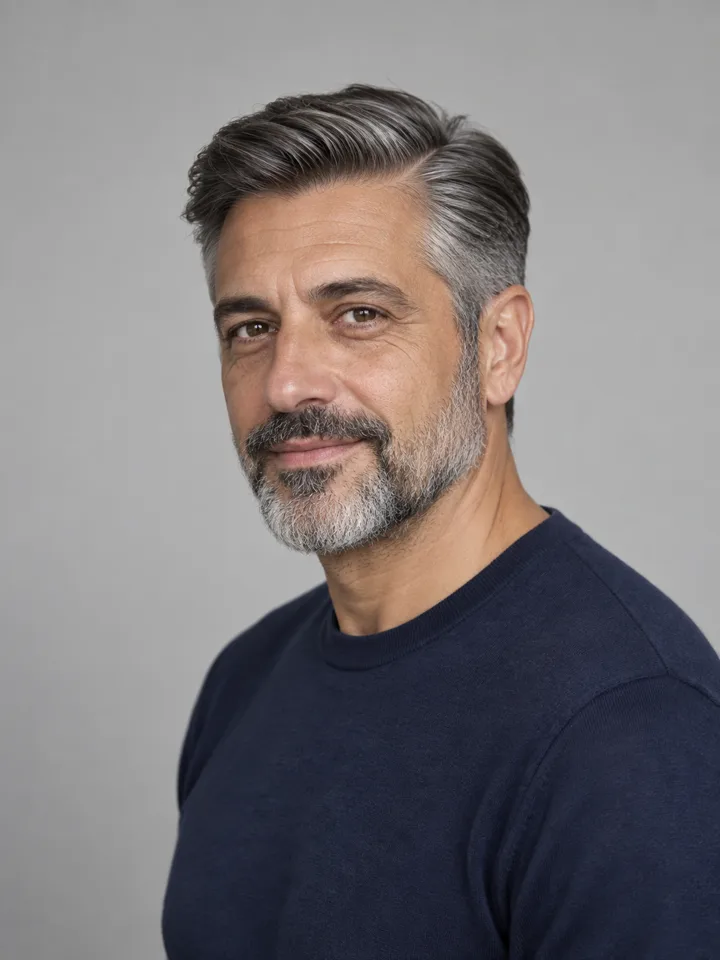
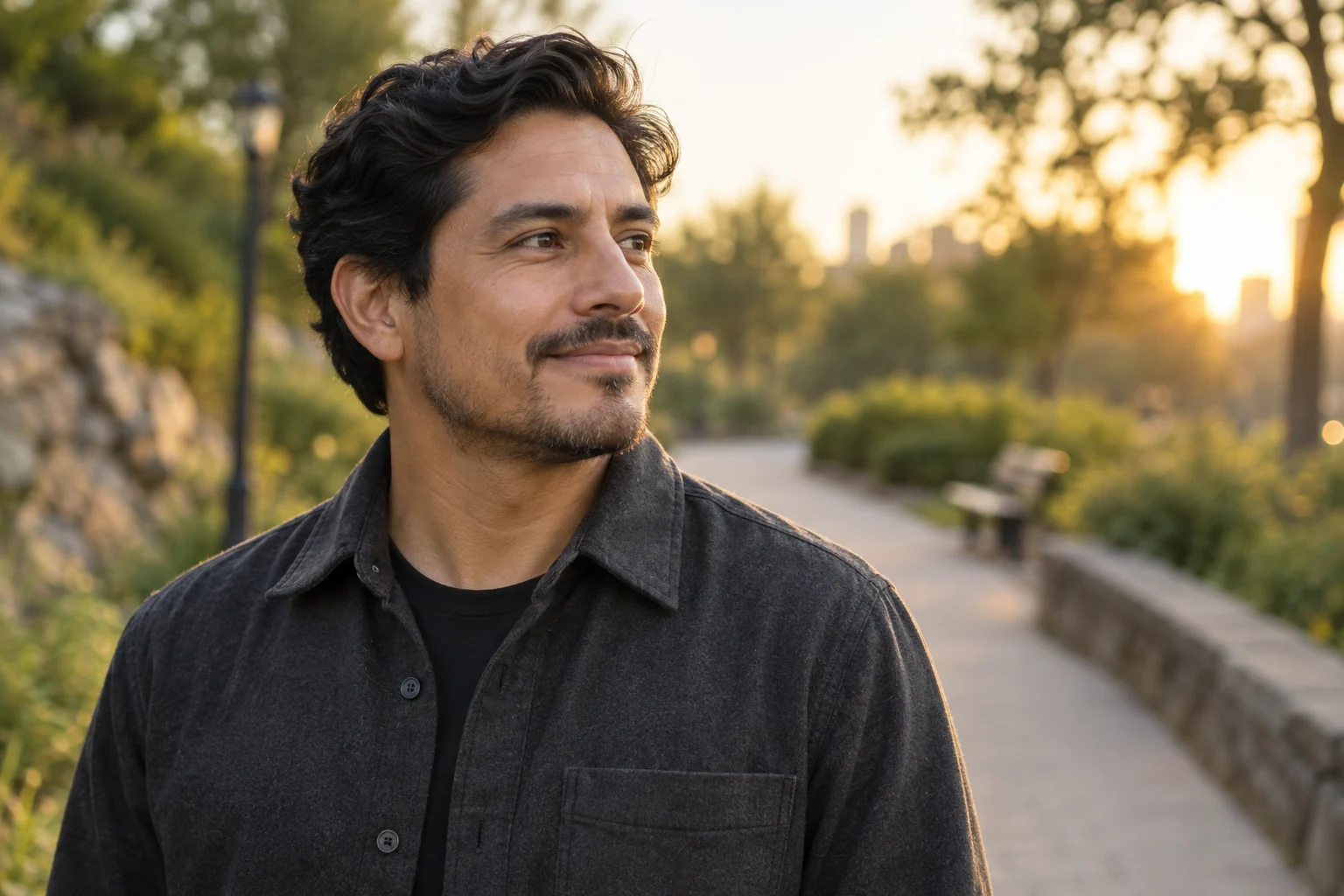
Use these illustrated directions to plan what to try. They are not verified before-and-after results; inspect the review checklist on each page.
- Clean studio portrait — Compare the eyes, jaw, hairline and skin against the original. Crop for your intended profile size after reviewing.
- Warm studio — Check that warm background color does not unnaturally tint the face.
- Garden light — Inspect hair edges and ensure foliage does not cross the face.