Before you start
Byline: LookScene Editorial, AI-assisted drafting and editorial review
Deciding whether to smile in a professional headshot creates persistent hesitation. Discussions on community forums like r/headshots and r/MusicalTheatre show recurring questions about whether to show teeth, maintain a closed-mouth smile, or hold a serious expression.
No universal expression rule exists, and expressions do not guarantee hiring or professional trust. An effective portrait simply delivers an authentic, recognizable likeness suited to its destination. Rather than guessing or digitally manipulating facial features, use a controlled practical routine: photograph relaxed, small-smile, and open-smile options under a fixed setup, then choose the best expression for your target platform.
Why One Universal Expression Rule Does Not Exist
Standard portrait advice often pushes rigid binaries, claiming smiles are mandatory for warmth or neutral faces signal authority. Experienced photographers reject this premise. Photographer Alex Kaplan treats full smiles and closed-mouth expressions as flexible options rather than a universal rule, recommending that subjects choose based on personal comfort and destination needs.
Expressions communicate visual tone, not competence. An expression cannot establish competence or guarantee a hiring outcome. Furthermore, portrait expressions do not depend on gender; recommendations apply equally across professional roles.
Context also governs expression boundaries. While corporate directories and creative portfolios allow personal expression, formal credentials enforce legal mandates. If an official passport, visa, or institutional ID requires a neutral expression, follow that issuing authority's rules exactly. This guide addresses professional portraits, not identity documents.
The Three-Tier Comparison Setup and Routine
To evaluate expressions objectively, keep all other variables steady. Comparing photos taken in different lighting, angles, or outfits obscures whether the expression or the setup influenced your preference.
Lock your physical setup before shooting:
- Camera Position: Mount your camera at eye level four to six feet away using a 50mm–85mm equivalent lens.
- Lighting and Backdrop: Use balanced indirect light facing a neutral wall.
- Framing: Angle shoulders slightly with collar points resting flat.
Capture three controlled expression tiers:
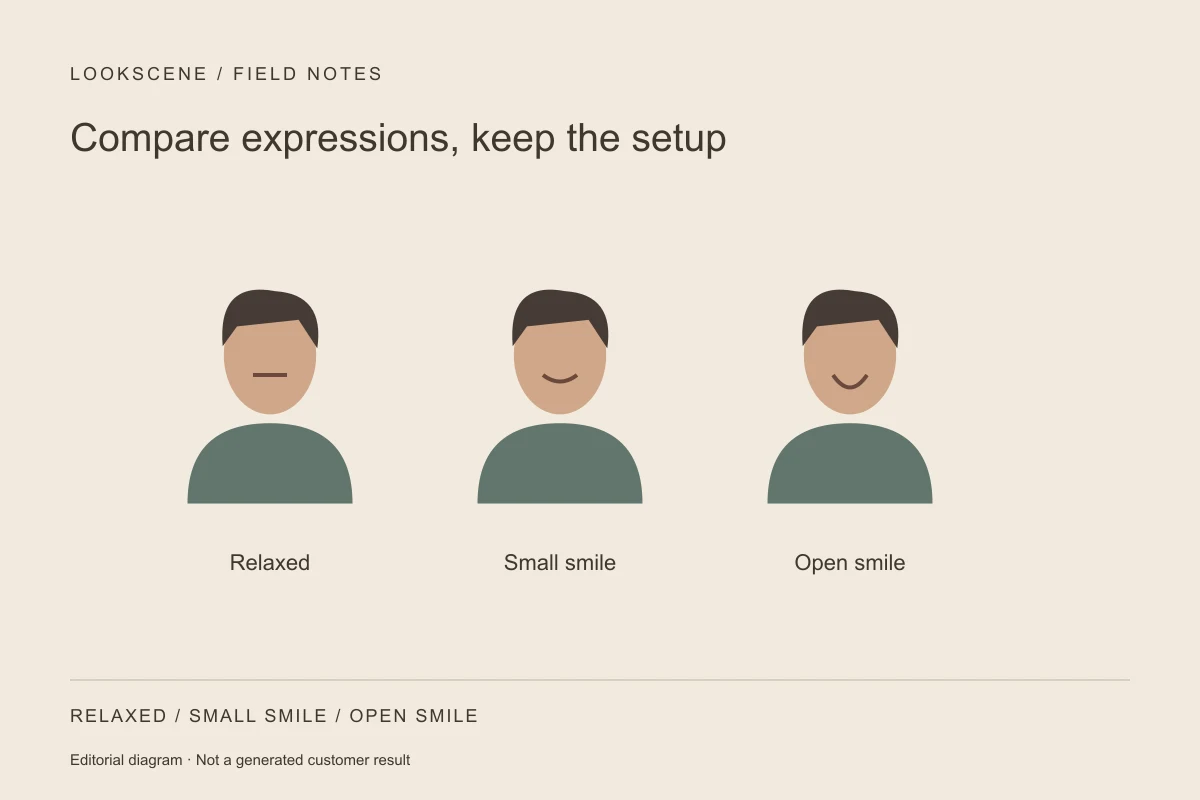
- Natural Relaxed: Rest lips together without pressing. Keep your jaw relaxed with teeth slightly parted and eyes engaged.
- Small Closed-Mouth Smile: Raise mouth corners gently with closed lips, engaging cheeks without clenching your jaw.
- Broader Open-Mouth Smile: Part lips naturally to show upper teeth, resting your tongue behind front teeth to relax the jawline.
Exhale softly between shots to release lip tension and prevent rigid expressions.
Practical Expression Comparison and Destination Matching
Match each expression against its target channel rather than judging photos in isolation:
| Expression Tier | Facial Mechanics | Visual Tone | Primary Destinations | Inspection Watchout |
|---|---|---|---|---|
| Natural Relaxed | Lips resting, jaw loose | Composed, formal | Technical reports, academic directories | Blank stare or downturned lips |
| Small Smile | Corners lifted, lips closed | Approachable, calm | LinkedIn profiles, client proposals | Pressed lips creating a tight line |
| Open Smile | Lips parted, teeth visible | Welcoming, open | Speaking bios, creative portfolios | Eye squinting or cheek strain |
Review raw captures against critical quality checks:
- Eye Engagement: Confirm eyes match the mouth; natural eye narrowing during a smile is normal; choose a comfortable expression rather than forcing your eyes open.
- Natural Teeth: Preserve authentic enamel without whitening filters that create chalky highlights. Never reshape lips or add synthetic teeth.
- Crop Margins: Expressions can change the space needed around the mouth and chin. Check headroom and chin room in circular or square crops with our guide to crop profile photos for circle and square displays.
Production Choices: Photography versus AI Visual Exploration
When planning a portrait, professionals often weigh self-capture against studio sessions. Our analysis of AI headshot vs DIY vs photographer examines the trade-offs of each route.
Digital platforms assist with visual planning. LookScene offers personal AI photo styling for hair, outfits, and settings for adults using their own photos, letting users preview how collar styles, hair parts, or backgrounds balance before shooting. LookScene operates an invitation preview that is currently free; it does not offer unlimited access.
However, visual exploratory tools have defined boundaries. LookScene does not provide physical styling, exact clothing fit, medical advice, or guaranteed identity preservation. Crucially, LookScene does not provide expression controls. A generated smile is not evidence of your real expression and may change your likeness. Institutional photo requirements override any generated preview. Where destination policies permit visual exploration, use AI strictly for styling ideas, while capturing real expressions photographically.
Worked Example: A Hypothetical Systems Consultant
Consider this clearly hypothetical scenario: Julian, an independent systems consultant, needs to update his portrait for two outlets: an enterprise client proposal deck and a keynote speaker biography for a tech summit.
Julian mounts his camera at eye level four feet away using a 70mm equivalent lens facing indirect window light. Wearing a charcoal sweater, he captures three exposures: Frame A (natural relaxed), Frame B (small closed-mouth smile), and Frame C (open smile on an exhale).
Reviewing captures at full size, Julian assigns Frame B to his enterprise deck, setting a calm tone for procurement teams. For his conference speaker profile, he chooses Frame C to project an engaging public presence, archiving Frame A as a reference. Evaluating all three under identical lighting lets Julian choose purposeful expressions without altering his face.
Practical Limitations and Regulatory Boundaries
Expression comparison routines must account for physical and procedural constraints:
- Muscle Fatigue: Holding smiles produces muscle tremor and stiff grimaces. Take short breaks and reset whenever holding an expression feels strained.
- Authentic Likeness: Never digitally whiten teeth to artificial shades, reshape lips, or smooth natural character lines.
- Regulatory Rules: Expression rules vary across passports, visas, and government credentials; some permit a natural smile and others require a neutral expression. Always follow the exact instructions of the issuing authority.
References and Source Materials
- Alex Kaplan Photography Headshot Guide: Photography guide discussing full and closed-mouth smiles as adaptable options rather than a universal rule, helping subjects match expressions to personal comfort and destination needs.
- Reddit r/headshots Community Discussion: Community thread documenting user questions on expression range, showing teeth, and portrait friendliness.
- Reddit r/MusicalTheatre Audition Discussion: Performer discussion exploring whether audition portraits require open smiles or dramatic neutral expressions.
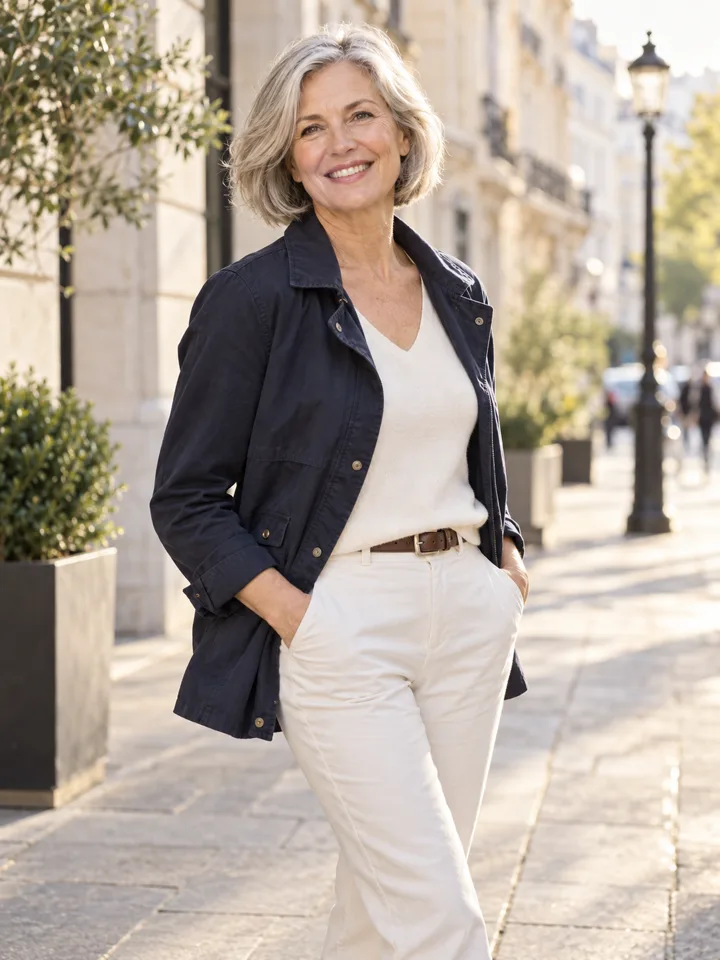
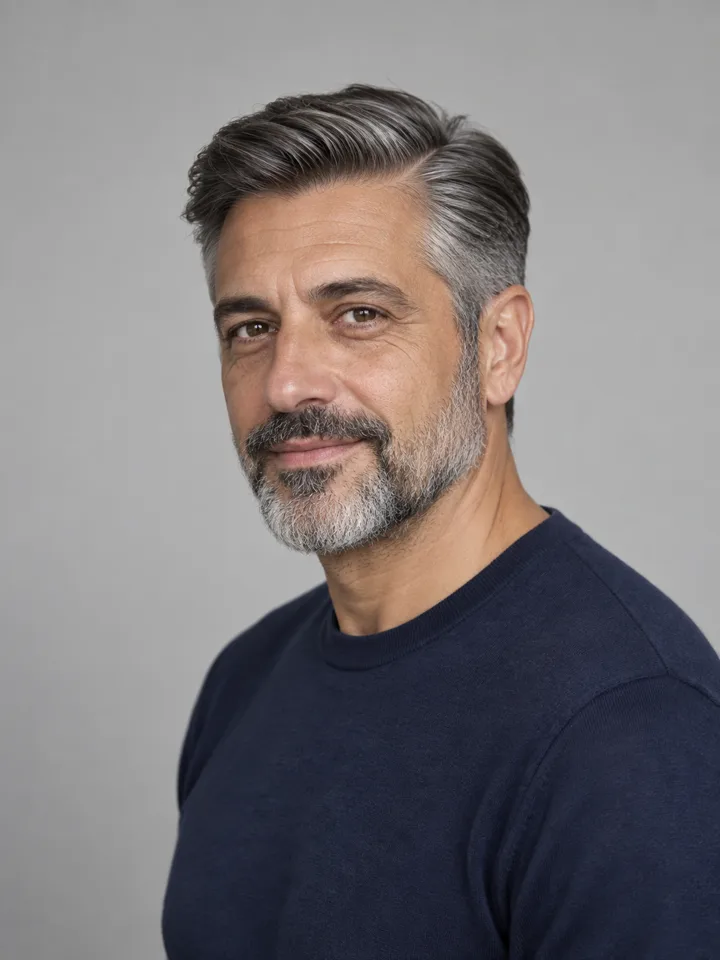
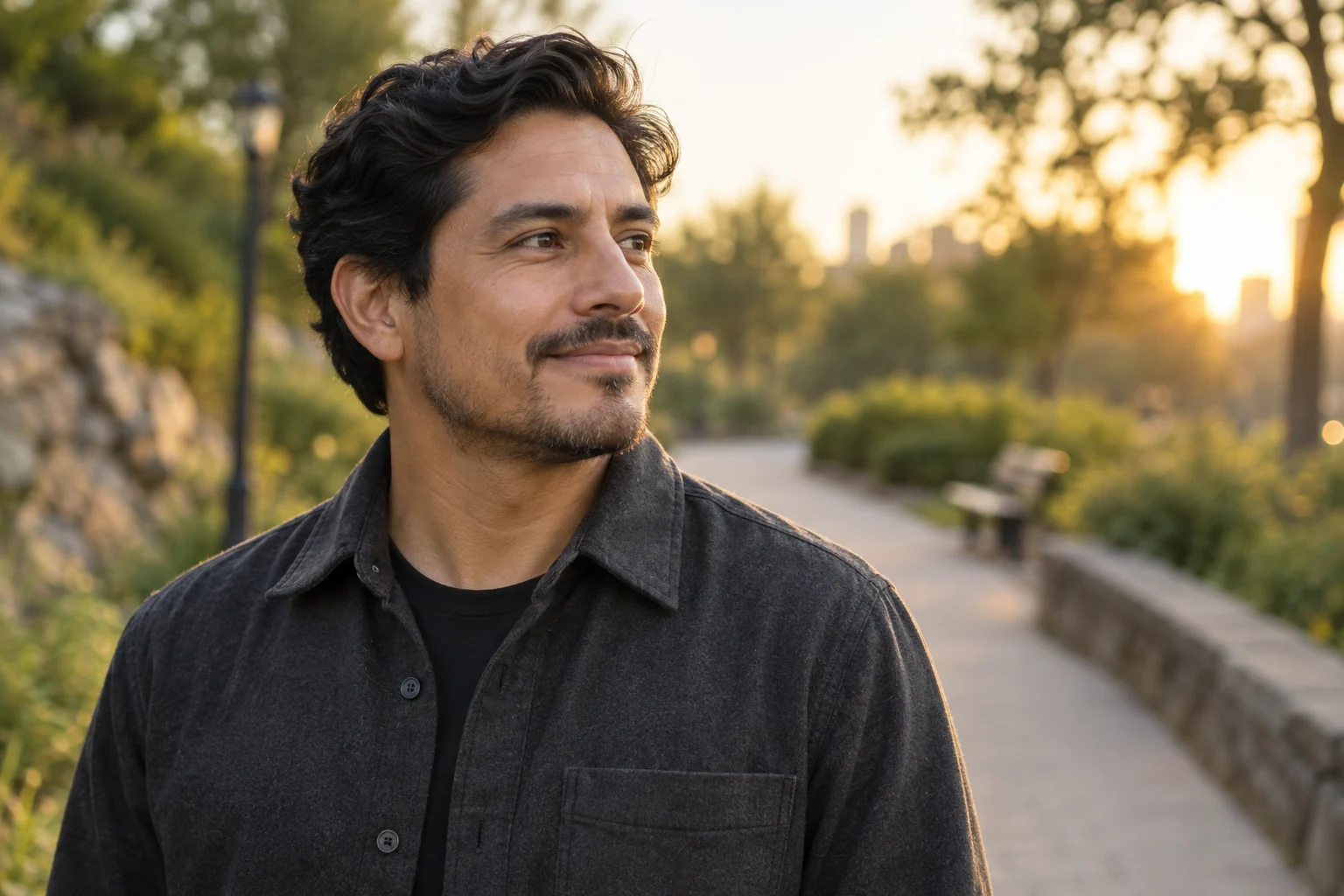
Style options to compare
Use these illustrated directions to plan what to try. They are not verified before-and-after results; inspect the review checklist on each page.
- Clean studio portrait — Compare the eyes, jaw, hairline and skin against the original. Crop for your intended profile size after reviewing.
- Warm studio — Check that warm background color does not unnaturally tint the face.
- Garden light — Inspect hair edges and ensure foliage does not cross the face.