Before you start
When bad weather threatens an outdoor portrait session, your plan comes down to three concrete options: finding covered architectural shelter, moving to an indoor location, or rescheduling for a new date. The right decision depends on your submission deadline, physical comfort, background conditions, and location permissions—not on hoping unpredictable conditions clear up at the last minute.
Dangerous weather, including lightning, heavy downpours, severe cold, or destructive wind, requires moving indoors or rescheduling immediately. An awning, porch, or tree is not suitable lightning shelter. For mild rain, shifting cloud cover, or moderate breezes, you have flexibility if you establish an advance communication routine with your photographer or shooting partner.
How Weather Directly Alters Outdoor Portraits
Weather changes produce immediate mechanical effects on headshots that cannot easily be undone after capture:
- Wind and hair texture: Wind gusts pull hair across the face, disrupt styled lines, and create irregular shadows over eyes and foreheads. While minor flyaways are natural, strong wind forces subjects to squint and repeatedly adjust their posture. Digital post-processing cannot reliably invent missing hair texture or cleanly remove wild strands across facial features without altering personal identity.
- Moisture and clothing: Rain and mist settle on suit jackets, shirts, and hair within minutes. Damp fabrics darken unevenly, lose their crisp lines, and cling awkwardly to the body, creating distracting reflections on wet lapels or collars.
- Physical comfort and expression: Cold drafts, humidity, or sudden breaks of harsh sunlight cause involuntary physical reactions: shivering, hunched shoulders, squinting, or jaw tension. A relaxed, approachable facial expression requires physical comfort.
- Backgrounds and ground conditions: Overcast skies act like an expansive natural diffuser, softening harsh facial shadows. However, wet park pathways, muddy grass, and drab gray horizons can make outdoor backgrounds appear saturated in slush or visually distracting.
An advance backup plan reduces last-minute uncertainty, though it cannot guarantee conditions or a successful shoot.
Setting Up Advance Communication and Contingencies
Photographers manage weather logistics according to their regional climate, gear constraints, and studio availability. For instance, San Francisco portrait studio Portraits to the People explains in its client FAQ that it tracks shifting forecasts closely, maintains active communication as session day approaches, and offers an indoor studio alternative when outdoor conditions turn unfavorable. Because operating procedures and rescheduling terms vary by independent business, you should never assume standardized cancellation windows or universal weather policies.
Instead, align on two critical operational details during booking:
- The decision checkpoint: Agree on an explicit deadline to review the local forecast and make the final call—at a time that suits travel, venue access, and the photographer's terms. Recheck conditions before departure.
- Pre-scouted backup spaces: Identify an alternate indoor room, covered colonnade, or office atrium in advance. Always confirm whether indoor alternatives require guest check-in, photography permits, or building management approval.
Weather Contingency Decision Matrix
Use this practical matrix to match current conditions to the safest shooting route:
| Forecast Condition | Primary Risk | Recommended Action | Key Consideration |
|---|---|---|---|
| Overcast / Light Mist | Flat light, gradual dampness on hair | Covered Shelter (Deep awnings, building porticos) | Keeps clothing dry while preserving soft, diffuse outdoor skylight. |
| Steady Rain | Saturated clothing, damaged styling | Move Indoors or Reschedule | Choose indoors if facing a strict deadline; reschedule if you need lush outdoor greenery. |
| Strong Wind / Gusts | Distorted hair geometry, squinting | Move Indoors or Reschedule | Do not rely on an open courtyard or overhang as protection from hazardous gusts. |
| Extreme Heat / Cold | Sweating, shivering, facial tension | Move Indoors | Shivering and squinting directly degrade natural facial expressions. |
| Tight Deadline (1–3 Days) | Missed press release or job application | Move Indoors immediately | Reduces exposure during the shoot; still check safe travel and venue access. |
| Flexible Timeline | Compromised outdoor aesthetic | Reschedule for suitable conditions | Better to wait than spend time managing wet umbrellas and suboptimal backgrounds. |
Working Under Covered Shelter vs. Moving Indoors
If you decide not to reschedule, compare covered shelter against an interior setup:
Option A: Covered Architectural Shelter
Covered outdoor spaces—such as deep transit arcades, modern building porticos, covered bridges, or wrap-around porches—allow you to capture the depth of natural ambient light without exposure to precipitation.
- Lighting advantage: Open skylight bounces horizontally into the covered area, and may provide useful light; test facial shadows and color reflections.
- Background caution: Ensure the open space behind you remains visually uncluttered. Avoid backgrounds cluttered with garbage cans, parking meters, or wet pedestrian traffic.
- Permission requirement: Commercial building overhangs and private office developments often restrict commercial tripod use or portrait photography. Check rules beforehand.
Option B: Moving Indoors
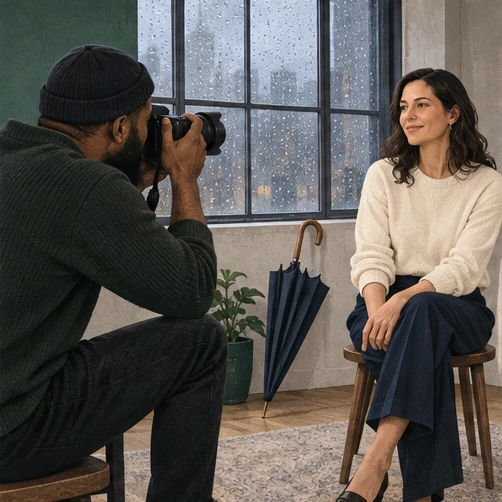
When outdoor shelter is unavailable or the wind makes hair management impossible, move inside. A well-lit interior room with a large, indirect window produces soft, flattering light that closely mirrors open outdoor shade. If studio access is unavailable and you face an imminent deadline, setting up a professional headshot at home beside a clean, neutral wall can provide a more predictable setting, subject to the room and available light.
Hypothetical Example: A Pre-Conference Speaker Deadline
Consider a realistic scenario: Marcus, a product director, needs an updated executive headshot for a conference program guide due in two business days. He originally booked a Tuesday morning session in a landscaped public park.
At the agreed Monday evening check-in, the forecast suggests rain and wind that could disrupt the planned park session. These details are illustrative, not a shooting safety threshold.
- Assessing constraints: Marcus cannot reschedule for next week because the conference printing deadline is non-negotiable.
- Evaluating location: The park offers open grass and trees but zero overhead cover. Muddy soil will ruin dress shoes, and wind gusts will continually toss hair out of place.
- Executing the contingency: At the agreed evening check-in, Marcus and his photographer activate their pre-arranged Plan B: using a permitted indoor meeting room with a large window.
- The outcome: In this hypothetical outcome, the indoor setup provides usable window light and a simple background. They inspect the test shots before continuing, and Marcus submits the selected portrait on time.
Common Mistakes to Avoid
- Relying on digital editing to fix wind or wet clothing: Never assume software can cleanly replace rain-soaked clothing patches or reconstruct wind-blown hair. Automated tools often blur realistic fiber weaves or alter natural hair volume, creating an artificial appearance that fails to match your real-world identity.
- Assuming private indoor locations are public: Retreating into hotel lobbies, shopping galleries, or train stations when rain hits may lead to security asking you to leave. Verify private property rules before relying on a building as your primary contingency.
- Delaying the decision until arrival on site: Driving to an outdoor location during active rainfall wastes limited shooting time and leaves both subject and gear damp before the first test shot.
- Failing to verify portrait usability on site: Before leaving a backup covered location, review raw files against an AI portrait quality checklist to confirm sharp focus on the pupils, balanced exposure on both cheeks, and clean separation between hair and background.
Next Steps: Compare Previews Against Your Original Capture
Once you complete your session—whether in a wind-sheltered breezeway or indoors by a window—select an unedited source image where your facial expression is natural, eyes are sharp, and posture is comfortable.
If you want to evaluate subtle adjustments before finalizing your public profile, use LookScene style previews to explore different background framing or test alternative wardrobe tones on your existing photo. Always inspect the generated preview side-by-side with your original capture to verify that your natural facial structure, real hair texture, and recognizable likeness remain intact.
Style options to compare
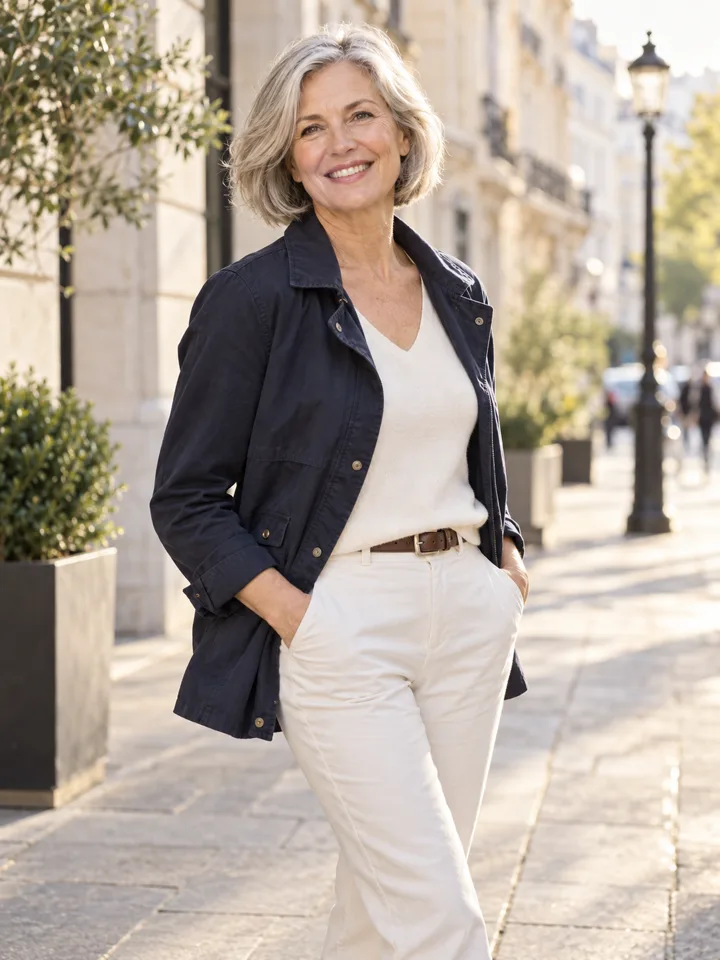
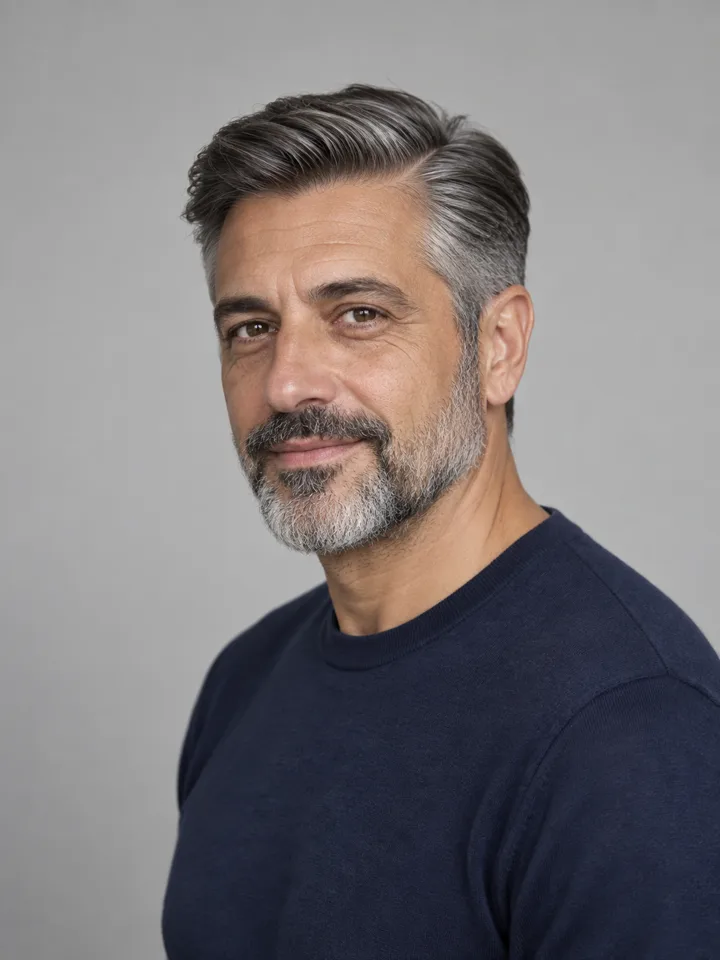
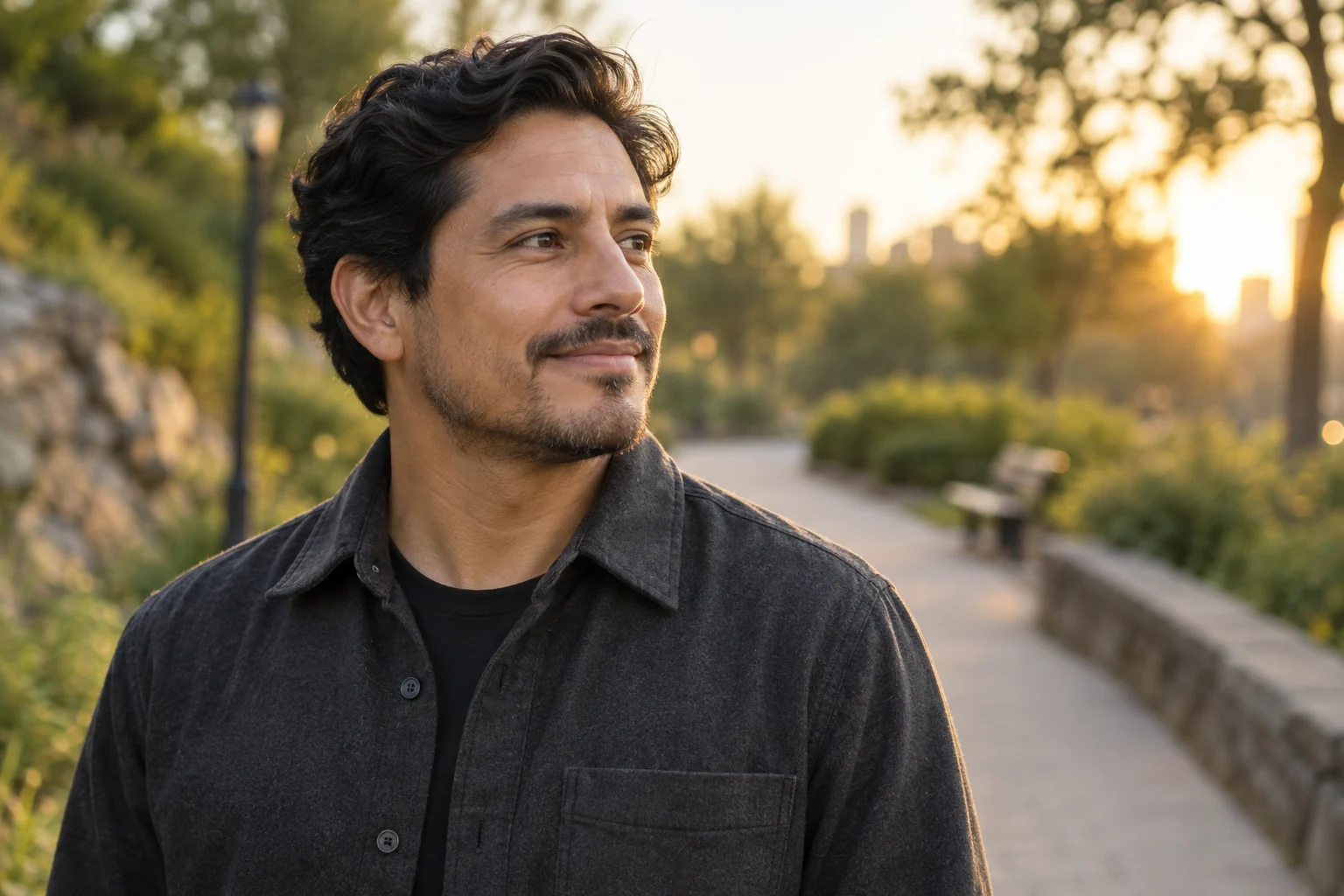
Use these illustrated directions to plan what to try. They are not verified before-and-after results; inspect the review checklist on each page.
- Clean studio portrait — Compare the eyes, jaw, hairline and skin against the original. Crop for your intended profile size after reviewing.
- Warm studio — Check that warm background color does not unnaturally tint the face.
- Garden light — Inspect hair edges and ensure foliage does not cross the face.